Reaching 8 weeks pregnant can feel surreal. You may still be adjusting to the news, or perhaps you’ve already had your first prenatal appointment. Either way, this stage is more significant than it looks from the outside. While your bump may not be visible yet, your body is working overtime—and your baby is developing at a remarkable pace.
At 8 weeks pregnant, you’re nearing the end of the embryonic stage. Critical systems are forming, hormones are surging, and subtle changes are shaping the months ahead. Understanding what’s normal—and what deserves attention—can help you move forward with more confidence and less anxiety.
8 Weeks Pregnant Symptoms and Body Changes
By week eight, many women feel unmistakably pregnant. Rising levels of hCG and progesterone can intensify symptoms you may have noticed earlier. Nausea often peaks around this time, and for some, morning sickness is no longer limited to mornings. Fatigue can feel overwhelming, even after a full night’s sleep. Breast tenderness, bloating, heightened sense of smell, and frequent urination are also common.
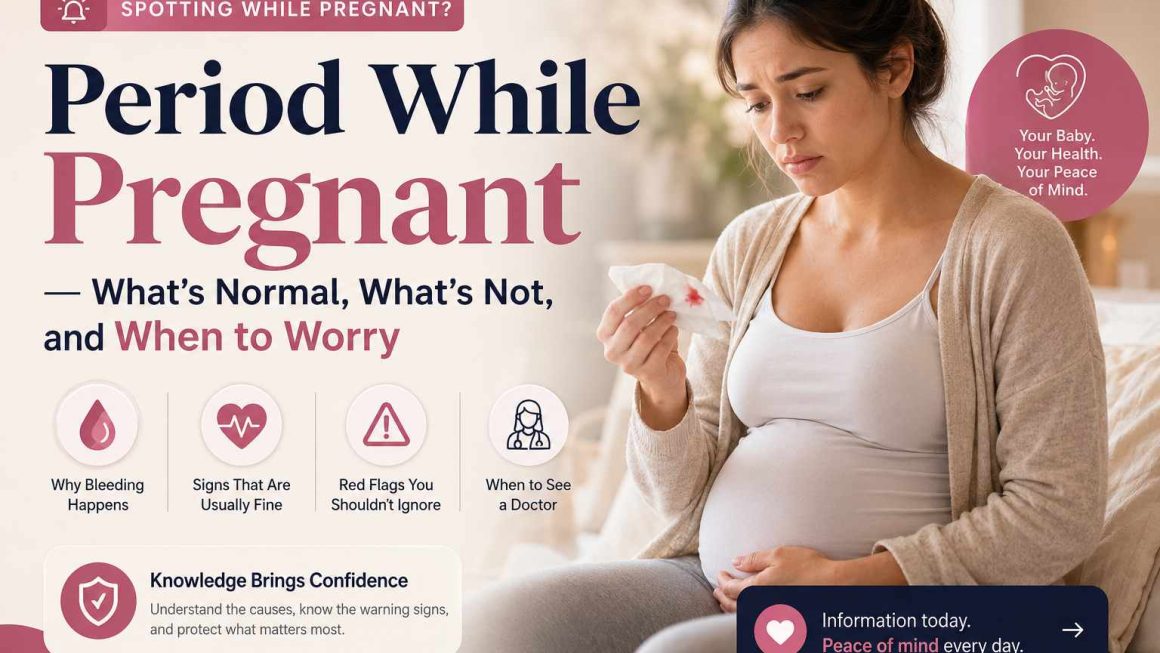
Your uterus is expanding, though it’s still tucked low in your pelvis. You might notice mild cramping, which is typically linked to normal uterine growth. Light spotting can occasionally happen, but persistent pain or heavier bleeding should never be ignored. If you experience unusual symptoms, consult your healthcare provider promptly.
Hormonal shifts can also affect mood. Emotional highs and lows are common at 8 weeks pregnant, and they’re not a sign of weakness—they’re biology at work. Giving yourself space to rest and asking for support isn’t indulgent; it’s smart prenatal care.
For those who are earlier in their journey, you may find it helpful to read about 4 weeks pregnant symptoms and early body changes to see how these developments began.
You can also explore 5 weeks pregnant symptoms and what to expect next to understand how quickly the transition into week eight truly happens.
Baby Development at 8 Weeks Pregnant
At 8 weeks pregnant, your baby is about the size of a raspberry, measuring roughly half an inch long. Although tiny, the transformation underway is extraordinary. Major organs—including the heart, brain, lungs, and liver—are forming rapidly. The heart is already beating, typically between 140–170 beats per minute.
Small limb buds are elongating into recognizable arms and legs. Fingers and toes are beginning to separate. Facial features are becoming more defined, with the formation of eyelids, ears, and the tip of the nose. Neural connections are developing at an astonishing rate.
This is also a critical period for preventing harmful exposures. Substances like tobacco and alcohol can interfere with organ formation. If you need clarity about risks, consider reading Smoking While Pregnant and the hidden risks many mothers underestimate.
By the end of week eight, your baby is transitioning from embryo to fetus—a major developmental milestone. The foundations are being laid for everything that follows.
Healthy Habits and Precautions at 8 Weeks Pregnant
What you do now matters. Folic acid remains essential to support neural development and reduce the risk of neural tube defects. A balanced diet rich in protein, iron, calcium, and healthy fats supports both your energy and your baby’s growth. Hydration is equally important, especially if nausea or vomiting has been frequent.
Prenatal appointments often include blood work and possibly your first ultrasound. Hearing or seeing the heartbeat for the first time can be deeply emotional. If you’re unsure about conception timing, you might appreciate this guide on When Did I Get Pregnant and understanding the timeline without guesswork.
If you’re planning ahead for future pregnancies, it’s worth understanding the broader context of fertility and timing. Resources like When Is the Best Time to Get Pregnant and When Can You Get Pregnant: A Clear, Honest Guide provide science-backed clarity.
And for those still in the preparation phase, Trying to Get Pregnant: What Truly Matters for a Healthy Start offers practical insights worth bookmarking.
It’s also important to stay alert to warning signs. Mild cramping can be normal, but heavy bleeding or severe pain warrants immediate medical evaluation. If you’re concerned, this article on Bleeding While Pregnant and when it’s serious explains how to distinguish common from concerning symptoms.

FAQ 8 Weeks Pregnant
- Is it normal for morning sickness to get worse at 8 weeks pregnant?
Yes, it is very common for nausea and vomiting to intensify around 8 weeks pregnant because hCG hormone levels are approaching their peak. For many women, this period represents the height of morning sickness before it gradually improves toward the second trimester. However, if vomiting becomes severe, prevents you from keeping fluids down, or leads to weight loss, it may indicate hyperemesis gravidarum and should be evaluated by a healthcare provider to prevent dehydration and nutritional deficiencies. - Can you have a miscarriage at 8 weeks pregnant without knowing?
While the risk of miscarriage decreases after a heartbeat is detected, it is still possible in early pregnancy. Some miscarriages, known as missed miscarriages, may not cause immediate symptoms and are discovered during an ultrasound. However, many women experience warning signs such as heavier bleeding, strong cramping, or loss of pregnancy symptoms. Regular prenatal care and open communication with your provider are key to monitoring your pregnancy’s progress and addressing concerns promptly. - Should I be showing at 8 weeks pregnant?
Most women are not visibly showing at 8 weeks pregnant, especially in a first pregnancy. The uterus is still relatively small and positioned low in the pelvis. Any slight abdominal fullness is often due to bloating rather than baby growth alone. Women who have been pregnant before may notice subtle changes earlier, but a noticeable baby bump typically develops later in the first trimester or early in the second trimester.
Pregnancy at 8 weeks may not look dramatic from the outside, but beneath the surface, profound changes are underway. Your baby’s organs are forming, your body is adapting in complex ways, and the foundation of a healthy pregnancy is being built day by day. Trust the process, stay informed, and remember that even when progress feels invisible, it is very real.