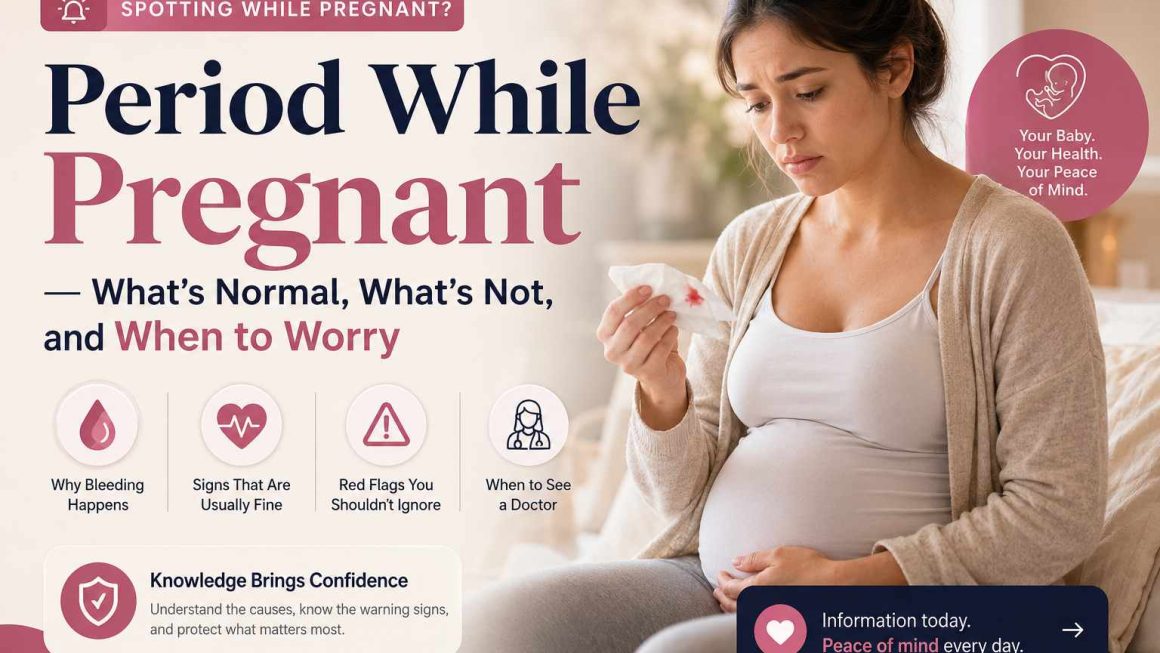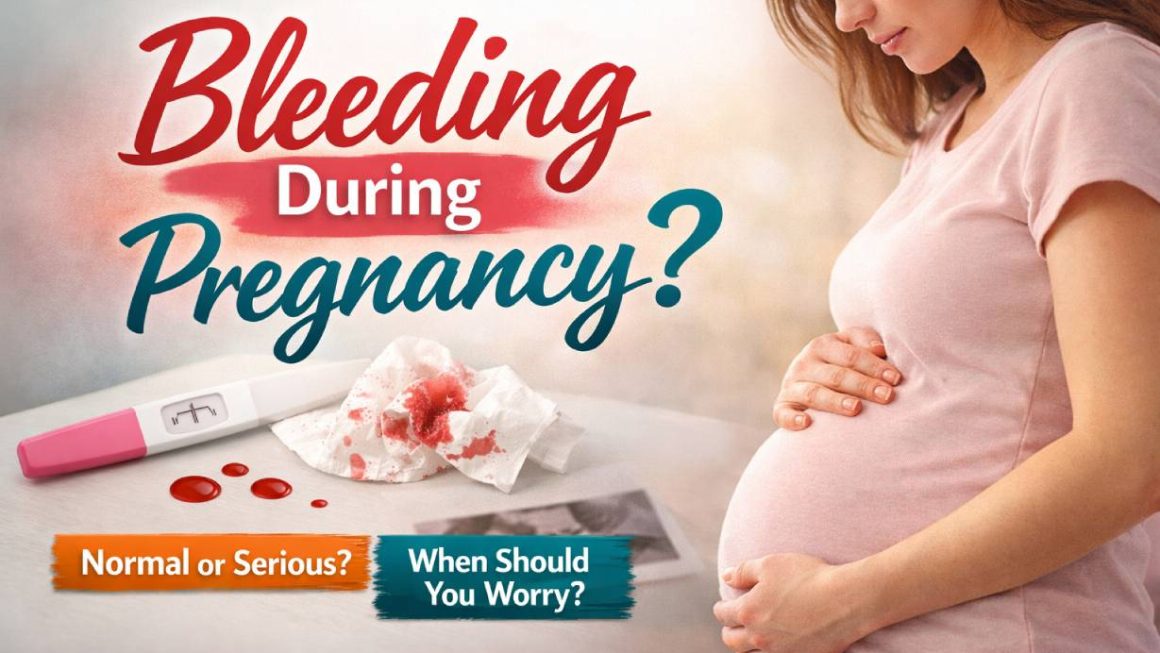
Bleeding while pregnant can be deeply unsettling. For many women, even a small amount of blood is enough to raise immediate concerns about the baby’s safety. While bleeding during pregnancy is relatively common—especially in the early weeks—it is never something to dismiss without understanding the cause.
Some cases are harmless and resolve on their own. Others may signal a condition that requires prompt medical attention. Knowing the difference can help reduce unnecessary panic while ensuring that serious warning signs are not ignored.
What Does Bleeding While Pregnant Mean?
Bleeding while pregnant refers to any vaginal bleeding that occurs after conception and before delivery. It may appear as light spotting or heavier bleeding and can range in color from pink or brown to bright red.
Medical studies suggest that around one in four pregnant women experiences some form of bleeding, most often in the first trimester. However, the meaning of bleeding depends on several factors, including gestational age, volume of blood, associated symptoms, and individual health history.
Bleeding is not a diagnosis—it is a symptom. Understanding what your body may be signaling is essential.
Common Causes of Bleeding in Early Pregnancy
Implantation Bleeding
One of the earliest causes of bleeding occurs when the fertilized egg attaches to the uterine lining. This typically happens within the first two weeks after conception. Implantation bleeding is usually:
- Very light
- Short in duration
- Pink or brown rather than bright red
Many women mistake it for an unusually light period.
Cervical Changes
During pregnancy, the cervix becomes more sensitive due to increased blood flow. Sexual intercourse, pelvic exams, or minor irritation can trigger light bleeding. While unexpected, this type of bleeding is often harmless.
Hormonal Fluctuations
Rapid hormonal changes may cause spotting, particularly around the time a menstrual cycle would normally occur. This is more common in early pregnancy and often resolves without intervention.
When Bleeding While Pregnant Is a Warning Sign
Not all bleeding is benign. Certain patterns should raise concern.
Miscarriage
Bleeding accompanied by abdominal cramps, lower back pain, or the passage of tissue may indicate a miscarriage. While bleeding alone does not always mean pregnancy loss, this combination of symptoms warrants immediate medical evaluation.
Ectopic Pregnancy
An ectopic pregnancy occurs when the embryo implants outside the uterus, most commonly in a fallopian tube. Symptoms may include:
- Vaginal bleeding
- Sharp or one-sided abdominal pain
- Shoulder pain or dizziness
This condition is life-threatening and requires emergency care.
Subchorionic Hematoma
This occurs when blood collects between the uterine wall and the placenta. It can cause intermittent bleeding and is often detected through an ultrasound. Many cases resolve naturally, but close monitoring is important.
Bleeding in the Second and Third Trimesters
Bleeding later in pregnancy is less common and more likely to indicate a serious issue.
Possible causes include:
- Placenta previa
- Placental abruption
- Preterm labor
- Cervical infection or dilation
Any bleeding after the first trimester should be treated as urgent, even if pain is absent.
What to Do If You Experience Bleeding While Pregnant
A calm but proactive response is key:
- Take note of the amount, color, and duration of bleeding
- Pay attention to additional symptoms such as pain, fever, or dizziness
- Avoid self-diagnosis based on online comparisons
- Contact your healthcare provider promptly
- Seek emergency care if bleeding is heavy or worsening
The most important point is this: bleeding should never be assumed to be “normal” without medical input, even when it turns out to be harmless.
Can Bleeding While Pregnant Be Prevented?
Some causes of bleeding cannot be prevented, but risk can be reduced by:
- Attending regular prenatal visits
- Avoiding smoking, alcohol, and illicit substances
- Following medical advice regarding activity and rest
- Managing underlying conditions such as high blood pressure or diabetes
Early detection remains the strongest safeguard for both mother and baby.
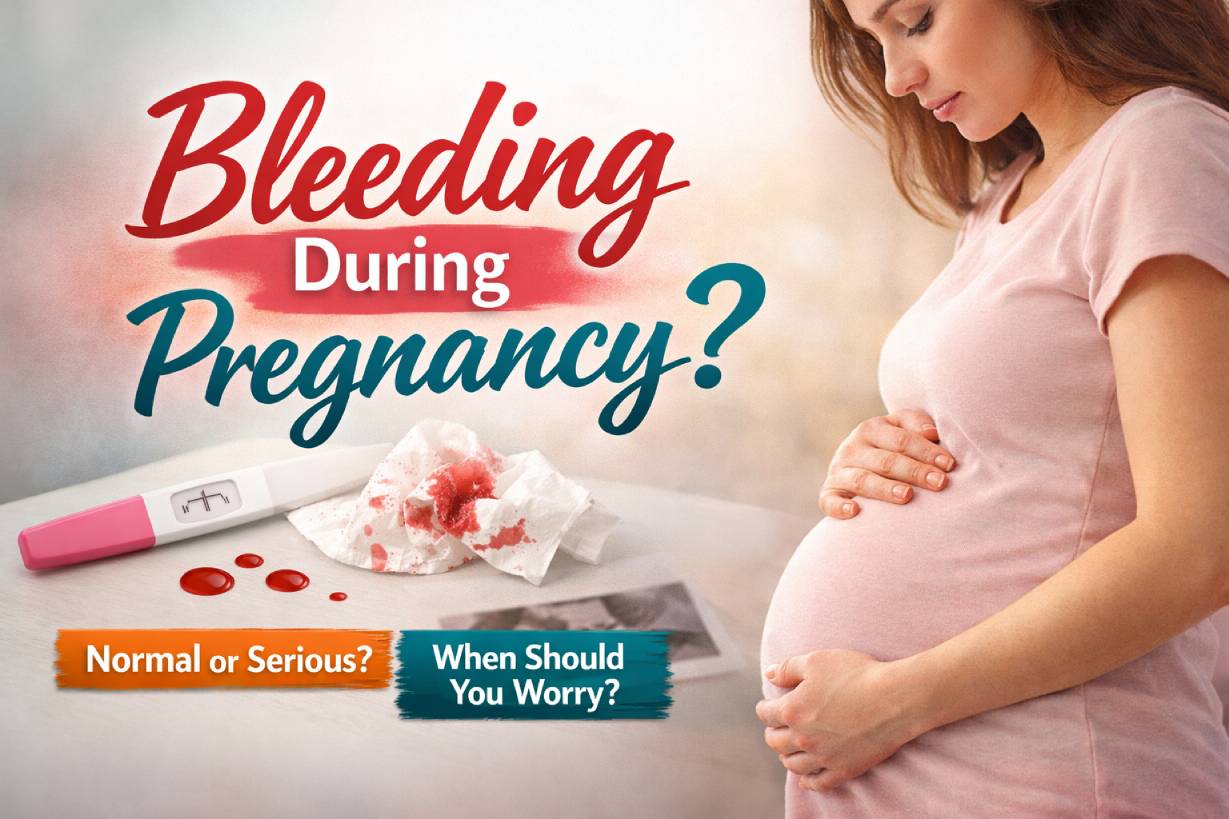
Bleeding while pregnant is a symptom that deserves attention, not assumptions. Many women who experience bleeding go on to have healthy pregnancies, yet the same symptom can also indicate serious complications. The difference lies in timely evaluation and appropriate care.
Listening to your body, seeking professional advice, and acting early are far more effective than fear or false reassurance.
Frequently Asked Questions (FAQ)
1. Is spotting during early pregnancy always harmless?
Spotting in early pregnancy is common, but it should not be automatically considered harmless. Causes such as implantation or cervical sensitivity are relatively benign, yet early pregnancy complications can present in similar ways. The absence of pain does not guarantee safety, just as the presence of spotting does not guarantee danger. The safest approach is to treat any bleeding as worth discussing with a healthcare provider, especially if it persists or changes in pattern.
2. How can I tell if bleeding during pregnancy is an emergency?
Bleeding becomes more concerning when it is heavy, persistent, or accompanied by symptoms such as severe abdominal pain, dizziness, fever, or shoulder pain. Soaking a pad within an hour or experiencing sudden worsening symptoms should be treated as urgent. Even moderate bleeding in the second or third trimester should prompt immediate medical attention, as it may indicate placental or labor-related complications.
3. Can stress alone cause bleeding while pregnant?
Stress does not directly cause vaginal bleeding, but it can contribute indirectly by affecting hormonal balance, immune response, and blood pressure. High stress may worsen existing conditions or make the body more vulnerable to complications. However, bleeding should never be attributed to stress without proper medical evaluation, as doing so may delay diagnosis of a more serious underlying issue.