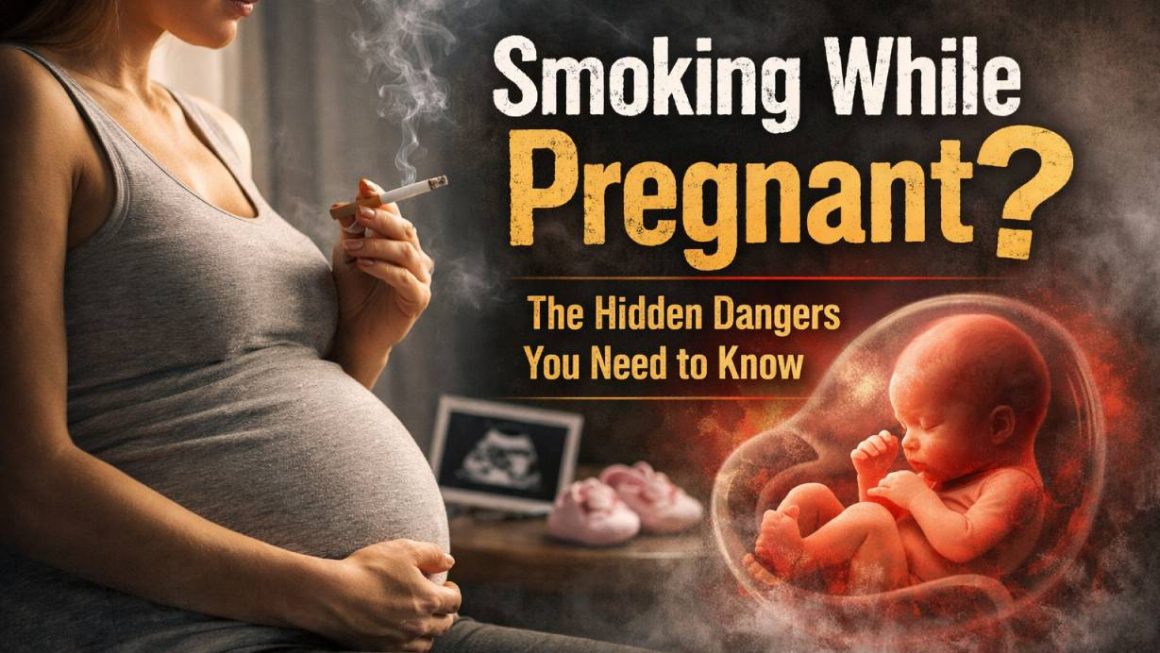
For many women, pregnancy becomes a turning point—a moment when daily habits are suddenly seen through a different lens. Choices that once felt personal now carry deeper meaning, especially when they affect another life. Smoking is one of those habits. Despite growing awareness, some expectant mothers continue to smoke, often believing that cutting back is enough or that occasional cigarettes pose little risk.
The reality is more serious. Smoking while pregnant exposes a developing baby to harmful chemicals at the most vulnerable stages of growth. These effects are not always visible at birth, but they can shape a child’s health for years to come. Understanding what truly happens when smoking continues during pregnancy is essential, not to assign blame, but to provide clarity and informed guidance.
Why Smoking While Pregnant Is Especially Dangerous
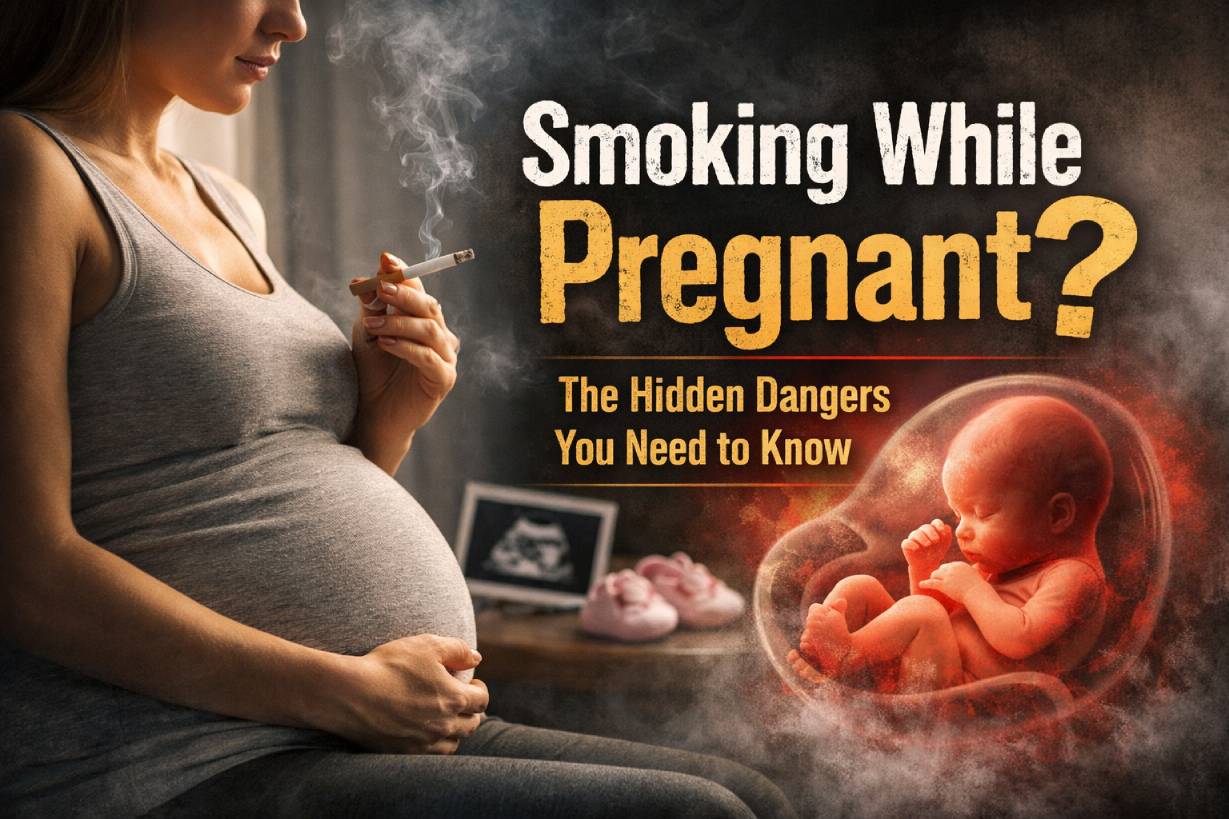
Cigarette smoke contains thousands of chemicals, including nicotine and carbon monoxide, both of which directly interfere with normal pregnancy processes. Once inhaled, these substances quickly enter the bloodstream and cross the placenta, reaching the fetus within seconds.
Nicotine causes blood vessels to narrow, reducing the flow of oxygen and nutrients to the baby. At the same time, carbon monoxide limits the blood’s ability to carry oxygen efficiently. Together, these effects create an environment where the fetus must develop with less oxygen than it needs—a condition that can disrupt organ formation and healthy growth.
Because a fetus cannot filter or eliminate toxins the way an adult body can, even small amounts of exposure may have lasting consequences. This is why medical professionals consistently emphasize that no level of smoking during pregnancy is considered safe.
Health Risks to the Baby
The risks associated with smoking while pregnant extend far beyond delivery. Scientific studies have repeatedly linked prenatal smoking exposure to both short-term and long-term health complications.
Low Birth Weight and Premature Delivery
Babies born to mothers who smoke are more likely to be born too early or weigh less than expected. Low birth weight increases vulnerability to infections, breathing problems, and delayed development during infancy.
Higher Risk of Birth Defects
Smoking during pregnancy has been associated with certain congenital abnormalities, including cleft lip, cleft palate, and heart-related defects. These conditions may require ongoing medical treatment and can affect a child’s quality of life.
Increased Risk of Sudden Infant Death Syndrome (SIDS)
One of the most concerning findings is the strong link between prenatal smoking exposure and SIDS. Disrupted neurological and respiratory development may make infants less able to regulate breathing during sleep.
Long-Term Developmental Challenges
Children exposed to cigarette smoke before birth have a higher likelihood of asthma, reduced lung capacity, learning difficulties, and behavioral issues. These challenges may not appear immediately, but they often emerge during early childhood or school years.
How Smoking Affects the Mother During Pregnancy
Smoking while pregnant also increases health risks for the mother. Pregnancy naturally places extra demands on the heart, lungs, and circulatory system. Smoking intensifies this strain and raises the likelihood of complications such as placental abruption, placenta previa, and ectopic pregnancy.
Mothers who smoke may also experience slower recovery after childbirth and a higher chance of postpartum health issues. These risks underline that smoking during pregnancy affects both lives involved, not just the developing baby.
Cutting Down Is Not the Same as Quitting
A common belief is that reducing the number of cigarettes smoked each day is a reasonable compromise. While smoking fewer cigarettes may lower overall exposure, it does not eliminate the risks. Nicotine still reaches the fetus, and oxygen delivery remains impaired.
Research shows that quitting entirely—at any point during pregnancy—offers real benefits. Oxygen levels improve, circulation becomes healthier, and the risk of complications gradually decreases. The sooner smoking stops, the greater the positive impact, but stopping later is still far better than continuing.
The Often-Overlooked Risk of Secondhand Smoke
Secondhand smoke is another serious concern during pregnancy. Regular exposure, even without actively smoking, allows nicotine and other toxins to enter the bloodstream and reach the fetus.
This makes smoke-free environments essential at home, work, and in social settings. Reducing secondhand exposure is a critical step in protecting fetal development, especially for pregnant women who do not smoke themselves.
Finding Support to Quit Smoking During Pregnancy
Quitting smoking is not always easy, particularly during a time of emotional and physical change. However, pregnancy can also serve as strong motivation. Many women find that structured support makes a significant difference.
Effective approaches often include counseling tailored for pregnant women, regular follow-ups with healthcare providers, and stress-management techniques that replace smoking habits. Nicotine replacement products should only be used under medical supervision during pregnancy.
Importantly, quitting is a process. Setbacks can happen, but they do not erase progress. Each attempt brings the goal closer and reduces overall exposure.
Smoking while pregnant carries well-documented risks that affect both mother and child. There is no safe amount and no harmless alternative when it comes to tobacco exposure during pregnancy. What does make a difference is stopping—whether early or later in the pregnancy.
Every cigarette avoided improves oxygen supply, supports healthier development, and lowers the risk of complications. With accurate information and compassionate support, expectant mothers can make choices that protect their own health and give their babies a stronger start in life.
Frequently Asked Questions (FAQ)
1. Is it too late to quit smoking if I’m already pregnant?
It is never too late to quit smoking during pregnancy. Quitting at any stage can improve blood flow and oxygen delivery to the baby. Even stopping in the later months reduces the risk of low birth weight and supports healthier lung development. Many positive changes begin within days of quitting, making the decision beneficial regardless of timing.
2. Are vaping or e-cigarettes safer than smoking during pregnancy?
Vaping is not considered a safe alternative during pregnancy. Most e-cigarettes contain nicotine, which interferes with fetal brain and lung development. Additionally, some vaping chemicals have not been thoroughly studied for pregnancy safety. Medical experts generally advise avoiding all nicotine-containing products unless specifically directed by a healthcare professional.
3. Can stress from quitting smoking harm my baby?
Short-term stress from quitting smoking is generally far less harmful than continued exposure to nicotine and carbon monoxide. While withdrawal symptoms may occur, they are temporary and manageable with proper support. Healthcare providers can help pregnant women develop strategies to reduce stress while working toward a smoke-free pregnancy.