There’s a moment many women recognize, subtle yet unmistakable. Something feels… different. Maybe it’s a wave of nausea that arrives without warning, or a sudden exhaustion that no amount of sleep seems to fix. The body has its own language, and early pregnancy often speaks in quiet, nuanced signals long before a test confirms it.
Understanding the symptoms of being pregnant isn’t just about curiosity. It’s about awareness, timing, and making informed decisions early. While no single symptom guarantees pregnancy, the combination of several signs often paints a clearer picture.
Early Symptoms Of Being Pregnant You Might Notice First
The earliest symptoms tend to feel deceptively ordinary, which is why they’re often overlooked. A missed period remains one of the most recognizable signs, but it rarely appears alone. Hormonal shifts begin almost immediately after implantation, and the body responds quickly.
Fatigue often hits first. Progesterone levels rise sharply, slowing you down and making even simple tasks feel draining. It’s not just “feeling tired”—it’s a deep, persistent exhaustion that lingers throughout the day.
Nausea, commonly called morning sickness, doesn’t always stick to mornings. It can surface at any hour, triggered by smells, food, or sometimes nothing at all. For some women, it starts as early as two to three weeks after conception.
Breast tenderness is another early clue. Hormonal changes increase blood flow, making breasts feel fuller, heavier, and more sensitive. Even light contact can feel uncomfortable.
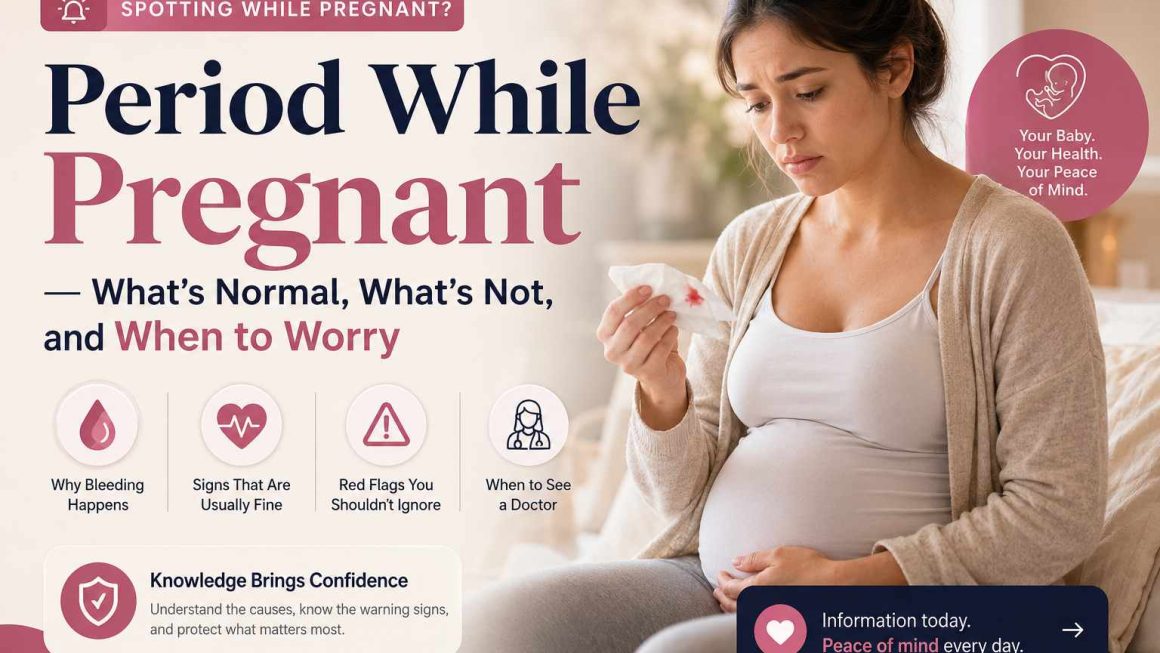
Some women also notice light spotting, often mistaken for a mild period. Known as implantation bleeding, it typically occurs when the fertilized egg attaches to the uterine lining.
If you want a deeper understanding of how early symptoms evolve, this guide on 4 weeks pregnant symptoms: early signs your body is quietly changing explains the initial phase in more detail.
Physical Changes And Hidden Symptoms Of Being Pregnant
Not all symptoms are obvious. Some changes happen internally and reveal themselves through subtle shifts in daily patterns.
Frequent urination is a common yet underestimated symptom. Hormonal changes increase blood flow to the kidneys, leading to more urine production even in the early weeks.
Food aversions and cravings often appear unexpectedly. A favorite meal may suddenly feel unbearable, while unusual combinations start to seem appealing. This isn’t random—your body is reacting to hormonal fluctuations, especially hCG and estrogen.
Mood swings can also emerge early. Emotional sensitivity, irritability, or sudden bursts of happiness may feel out of character. These shifts are physiological, not purely emotional.
Bloating and mild cramping can mimic premenstrual symptoms, which is why many women initially misinterpret early pregnancy signs. The key difference lies in persistence and intensity.
For a clearer progression of these changes, especially as hormones continue to rise, you can explore 5 weeks pregnant symptoms: the early signs your body is quietly changing, where these symptoms often become more noticeable.
When Symptoms Of Being Pregnant Become More Obvious
As pregnancy progresses, symptoms tend to intensify and become harder to ignore. Nausea may increase, fatigue can deepen, and physical changes become more pronounced.
At this stage, the body is actively supporting rapid fetal development. Blood volume expands, metabolism shifts, and hormonal levels peak. These changes often explain why symptoms feel stronger rather than easing off.
Women may also begin to notice changes in appetite, a heightened sense of smell, and even slight weight fluctuations. Skin changes, such as darkening around the nipples or a faint line on the abdomen, may start to appear.
Understanding this phase is crucial, especially for those planning their next steps. If you’re navigating this transition, 8 weeks pregnant: what’s really happening to your body and baby right now offers a more detailed look at how symptoms evolve alongside fetal growth.
Why Recognizing Symptoms Of Being Pregnant Matters
Recognizing early pregnancy symptoms isn’t just about confirmation—it’s about timing. The earlier pregnancy is suspected, the sooner healthy lifestyle adjustments can begin.
Nutrition becomes critical. Avoiding harmful substances, managing stress, and ensuring proper prenatal care all depend on early awareness. Even small changes, like increasing folic acid intake, can have a significant impact on fetal development.
For those actively trying to conceive, understanding these symptoms provides clarity and direction. If you’re in that phase, trying to get pregnant: here’s what truly matters for a healthy start offers practical insights that align with early symptom awareness.
Timing also plays a role in conception success. Knowing your body’s signals can help you better plan future pregnancies, as explained in when is the best time to get pregnant: a science-backed guide for couples trying to conceive.

FAQ early pregnancy symptoms
- Can you feel symptoms of being pregnant in the first week?
Yes, although it’s uncommon to clearly identify them that early. Some women report subtle signs like mild cramping, fatigue, or breast sensitivity within the first week after conception. However, these symptoms often overlap with premenstrual changes, making them difficult to distinguish. Most noticeable pregnancy symptoms typically appear after implantation, around the second or third week. - Are the symptoms of being pregnant different for every woman?
Absolutely. Pregnancy symptoms vary widely depending on hormonal response, body chemistry, and overall health. One woman may experience strong nausea and fatigue early on, while another may notice almost nothing for weeks. Even the same woman can have completely different symptoms across different pregnancies, which makes personal awareness more important than comparison. - When should you take a test after noticing symptoms of being pregnant?
The best time to take a pregnancy test is after a missed period, when hCG levels are high enough to be detected reliably. Testing too early can lead to false negatives, even if symptoms are present. If symptoms persist but the test is negative, waiting a few days and retesting often provides a more accurate result, especially as hormone levels continue to rise.
The body rarely stays silent. It signals, adjusts, and adapts in ways that may seem small at first but grow clearer over time. Recognizing the symptoms of being pregnant isn’t about jumping to conclusions—it’s about paying attention.
When those subtle signs begin to align, they form a pattern that’s hard to ignore. And in that pattern lies something powerful: awareness, readiness, and the beginning of a completely new chapter.