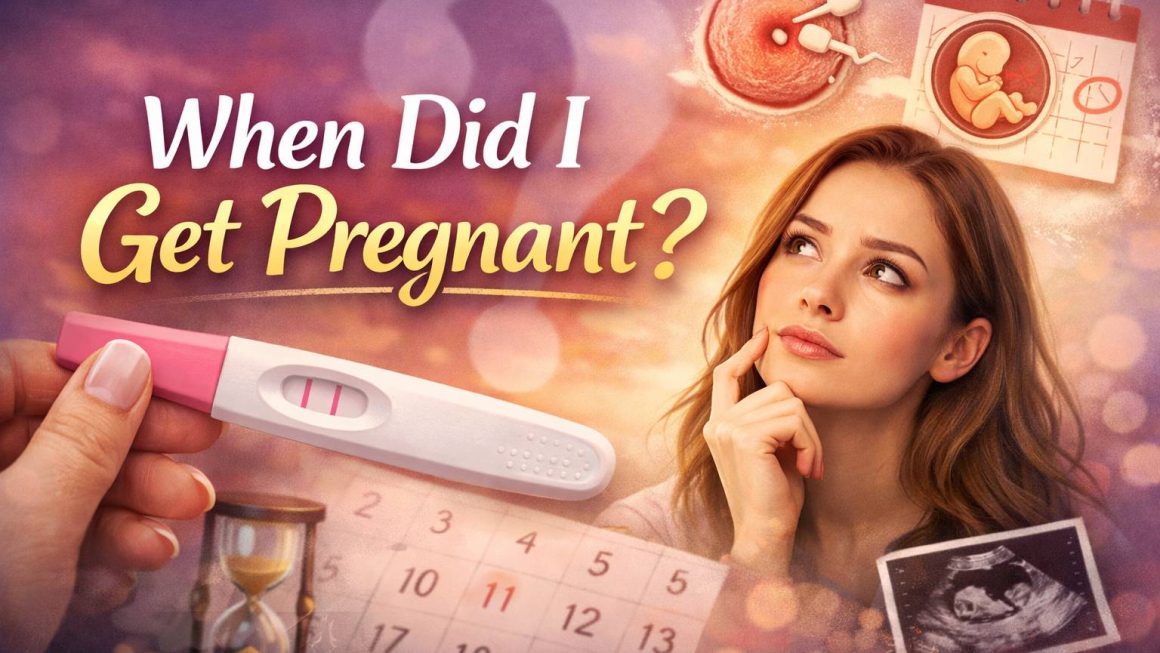
There’s a moment many people remember clearly: staring at a positive pregnancy test and feeling a rush of excitement, confusion, or even disbelief. Almost instinctively, one question follows—when did this actually happen? The phrase “When Did I Get Pregnant” isn’t just a search query; it reflects a genuine need for clarity in a time filled with emotional and physical changes. Understanding the timing of pregnancy helps with medical care, planning, and peace of mind, especially when dates feel uncertain.
Pregnancy timelines can feel surprisingly counterintuitive. Even people who track their cycles closely are often caught off guard. That’s because pregnancy dating isn’t based solely on conception, but on a mix of biology, medical convention, and probability. Let’s break it down in a way that feels human, not clinical.
How Pregnancy Is Dated: The Medical Perspective
Doctors usually calculate pregnancy from the first day of your last menstrual period (LMP), not from the day conception occurred. This method assumes a typical 28-day cycle with ovulation around day 14. Under this system, you’re considered “pregnant” for about two weeks before conception actually happens.
From a medical standpoint, this approach creates a standardized way to estimate fetal growth and due dates. From a personal standpoint, it can feel confusing—especially if your cycles are irregular or you remember exactly when intercourse happened.
So if you’re wondering when did I get pregnant, the honest answer often depends on whether you’re asking biologically or medically. Biologically, pregnancy begins at implantation. Medically, it starts earlier for consistency in care.
Conception vs. Implantation: Why the Difference Matters
Conception occurs when sperm fertilizes an egg, usually within 12–24 hours after ovulation. However, implantation—the moment the fertilized egg attaches to the uterine wall—happens 6 to 10 days later. Pregnancy hormones (like hCG) only start rising after implantation, which is why pregnancy tests don’t work immediately after sex.
This gap explains why pinpointing the exact day is tricky. Even if you know when ovulation occurred, implantation timing varies from person to person and from pregnancy to pregnancy. That uncertainty is normal, not a failure of tracking.
Can You Estimate When You Got Pregnant? Yes—With Context
While no method is perfect, several clues can help narrow the window:
1. Ovulation Tracking
If you used ovulation predictor kits, basal body temperature, or cervical mucus tracking, ovulation usually marks the most fertile window. Conception typically happens within 24 hours of ovulation.
2. Early Pregnancy Symptoms
Symptoms like breast tenderness, fatigue, or mild cramping may appear 1–2 weeks after conception, though they vary widely and shouldn’t be used alone for dating.
3. Ultrasound Dating
A first-trimester ultrasound is often the most accurate way to estimate gestational age. Measurements of the embryo or fetus can adjust due dates, especially if your cycle isn’t regular.
These methods don’t give a single “magic date,” but they can create a reliable range—often more useful than one exact day.
Why Online Calculators Can Be Misleading
Many people turn to pregnancy calculators for quick answers. While helpful, they rely on assumptions: regular cycles, average ovulation timing, and textbook hormone patterns. Real bodies don’t always follow textbooks.
If your cycle is longer, shorter, or unpredictable, calculators may be off by days or even weeks. That doesn’t mean something is wrong—it means biology is flexible. Calculators should be treated as guides, not verdicts.
Irregular Cycles and Unplanned Pregnancies
For those with irregular periods, polycystic ovary syndrome (PCOS), postpartum cycles, or recent birth control use, dating pregnancy can feel especially confusing. Ovulation may occur later than expected, shifting conception well beyond the “standard” window.
In unplanned pregnancies, emotional stress can amplify uncertainty. It’s important to remember that not knowing the exact date is common and rarely affects the health of the pregnancy. Healthcare providers focus on growth patterns moving forward, not on assigning blame or assumptions.
Why Knowing the Timing Still Matters
Understanding when you got pregnant isn’t about obsessing over the past—it’s about informed decisions. Accurate dating helps with:
- Scheduling prenatal tests
- Monitoring fetal development
- Estimating due dates realistically
- Aligning lifestyle and health choices
When timing is unclear, medical professionals adjust based on ultrasound findings and ongoing assessments. Precision improves over time.
Frequently Asked Questions About “When Did I Get Pregnant”
1. Can I get pregnant even if I don’t remember ovulating?
Yes, absolutely. Ovulation doesn’t always come with obvious signs, and many people ovulate without noticing any clear symptoms. Stress, illness, travel, or hormonal changes can also shift ovulation unexpectedly. This means pregnancy can occur even when cycles feel unpredictable or “off.” Medical dating methods don’t rely on memory alone—they use measurable development markers, which is why uncertainty early on is very common and completely normal.
2. Why does my due date change after an ultrasound?
Early ultrasounds measure fetal size, which tends to follow a very consistent growth pattern in the first trimester. If that measurement doesn’t align with estimates based on your last period, doctors may adjust your due date. This doesn’t mean your memory is wrong or that something is abnormal—it simply reflects that biological timing can differ from calendar-based assumptions. Ultrasound-based dating often becomes the most reliable reference going forward.
3. Is it possible to know the exact day I got pregnant?
In most cases, no—and that’s okay. Because sperm can survive up to five days and implantation varies, pregnancy happens over a window, not a moment you can always pinpoint. Even with perfect tracking, there’s usually a small range rather than a single confirmed day. Clinically, that level of precision isn’t necessary for healthy prenatal care, and focusing on overall progress matters far more.
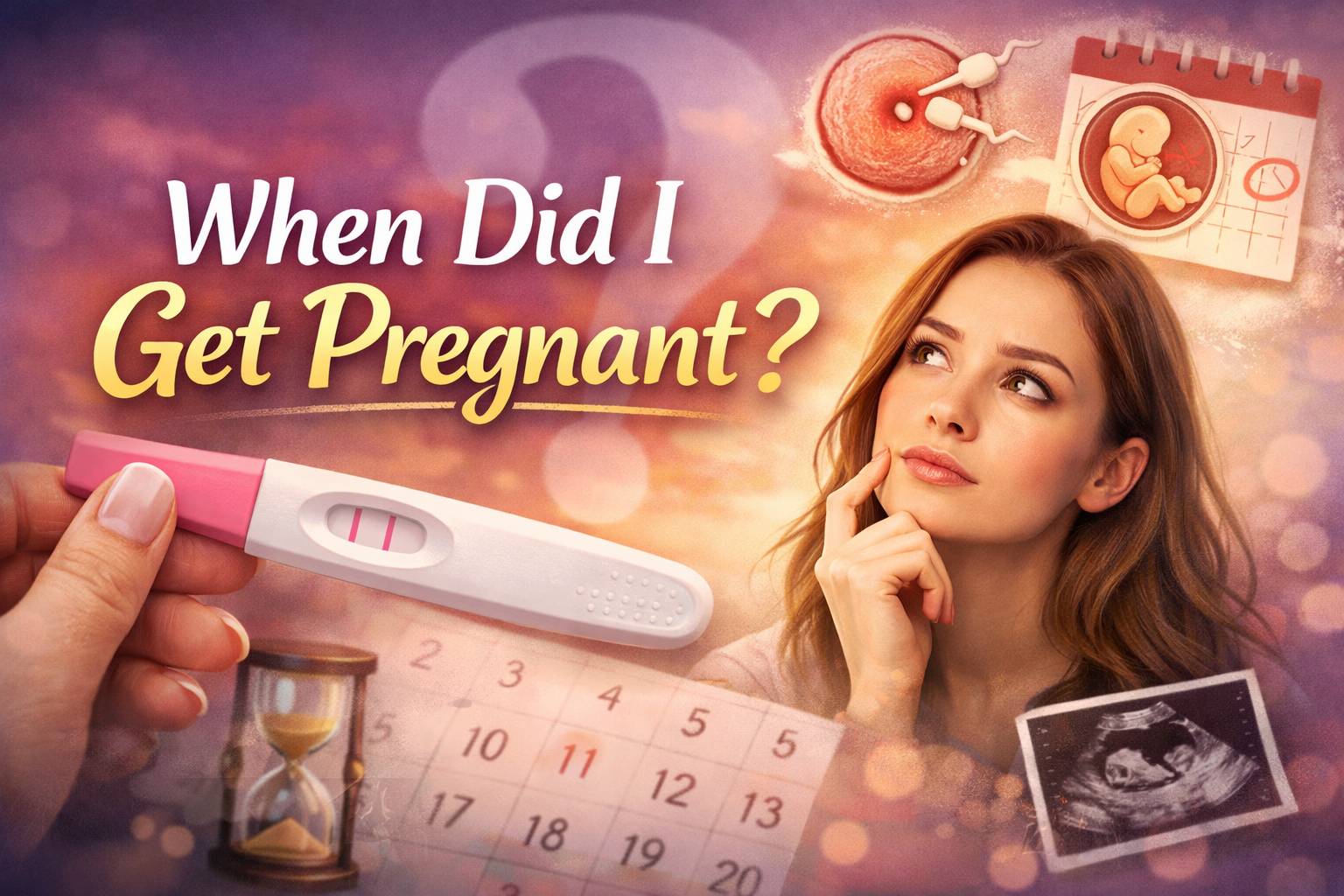
The question “When Did I Get Pregnant” is less about finding a flawless date and more about understanding your body’s timeline with confidence. Pregnancy isn’t a math equation—it’s a biological process shaped by variation, timing, and chance. When you replace guesswork with context, the uncertainty becomes manageable, even reassuring.
What matters most isn’t the exact day it began, but how well you’re supported from this point forward. With accurate medical guidance and a bit of patience, the timeline will make sense—one step at a time.