Understanding the chances of getting pregnant is one of the most common concerns for couples planning a family. While pregnancy may seem effortless for some, for others it involves patience, timing, and informed decisions. Many misconceptions still surround fertility, often fueled by myths rather than science. This article explains what truly affects your chances of getting pregnant, using clear medical reasoning while remaining practical and reassuring. The goal is simple: help you understand your body better and make informed choices without unnecessary anxiety.
Core Discussion: Factors That Influence the Chances Of Getting Pregnant
1. Age: The Most Influential Factor
Age plays a central role in determining the chances of getting pregnant, especially for women. In general, women in their 20s have a 20–25% chance of conceiving per menstrual cycle. This gradually declines after age 30 and more significantly after 35. By age 40, the monthly chance can drop below 5%.
Men’s fertility also declines with age, although more slowly. Sperm quality, including motility and DNA integrity, tends to decrease over time, which can affect both conception and pregnancy outcomes.
Argumentatively speaking, while modern medicine offers fertility assistance, it cannot fully override biological limits. Understanding age-related fertility decline allows couples to plan proactively rather than reactively.
2. Timing and Ovulation Accuracy
Another decisive factor in the chances of getting pregnant is timing intercourse during the fertile window. This window typically spans 5 days before ovulation and the day of ovulation itself.
Common mistakes include:
- Relying solely on calendar calculations
- Misinterpreting ovulation symptoms
- Inconsistent tracking
Using ovulation predictor kits, basal body temperature tracking, or fertility apps can significantly improve accuracy. Scientifically, sperm can survive up to 5 days, while the egg survives only 12–24 hours. This biological reality makes timing not optional, but essential.
3. Reproductive Health Conditions
Certain health conditions can reduce the chances of getting pregnant, including:
- Polycystic Ovary Syndrome (PCOS)
- Endometriosis
- Thyroid disorders
- Sexually transmitted infections affecting reproductive organs
For men, low sperm count, poor motility, or hormonal imbalances are common contributors. Importantly, many of these conditions are manageable or treatable when diagnosed early. Ignoring symptoms or delaying evaluation often worsens outcomes, which strengthens the argument for early medical consultation when pregnancy does not occur within expected timeframes.
4. Lifestyle Choices Matter More Than You Think
Daily habits significantly influence fertility, even though their impact is often underestimated. Factors that can reduce the chances of getting pregnant include:
- Smoking and excessive alcohol intake
- Obesity or being underweight
- Chronic stress
- Poor sleep quality
Conversely, maintaining a balanced diet, exercising moderately, and managing stress can improve hormonal balance and reproductive function. While lifestyle changes alone cannot solve all fertility issues, evidence shows they optimize the body’s natural potential to conceive.
5. How Long Is “Normal” to Try?
Medically speaking, it is considered normal if pregnancy does not occur immediately. Most healthy couples conceive within:
- 12 months if the woman is under 35
- 6 months if the woman is over 35
Seeking medical advice earlier does not mean something is wrong; it simply reflects informed and responsible planning. The chances of getting pregnant improve when problems are identified early rather than after years of unsuccessful attempts.
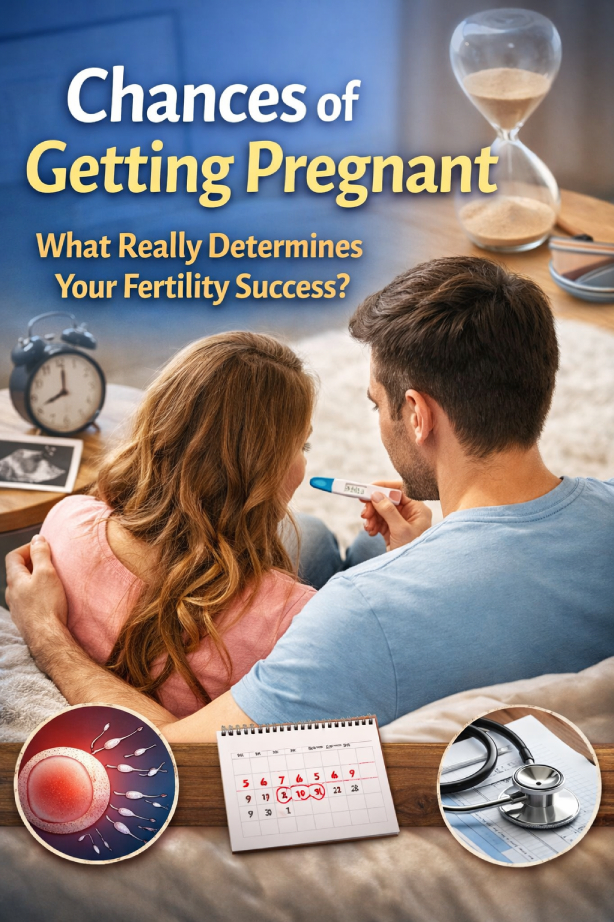
The chances of getting pregnant are influenced by a combination of age, timing, health, and lifestyle factors. While some aspects are beyond personal control, many are not. Understanding these factors empowers individuals and couples to take realistic, science-based steps toward pregnancy. Rather than relying on myths or comparisons with others, informed decision-making remains the most effective strategy. Fertility is not just about luck—it is about knowledge, timing, and proactive care.
Frequently Asked Questions (FAQ)
1. What are the average chances of getting pregnant per month?
For healthy couples in their 20s or early 30s, the average chance is around 20–25% per menstrual cycle when intercourse is well-timed.
2. Does stress significantly reduce the chances of getting pregnant?
Chronic stress can disrupt hormonal balance and ovulation patterns, which may indirectly lower fertility. Managing stress supports overall reproductive health.
3. When should a couple see a doctor about fertility concerns?
If pregnancy has not occurred after 12 months of trying (under 35) or 6 months (35 and older), consulting a healthcare professional is recommended.
This article is intended for informational purposes only and does not replace professional medical advice.