Being 4 weeks pregnant is often a moment filled with mixed emotions—excitement, uncertainty, and sometimes worry. For many women, this stage is when pregnancy is just beginning to feel real, even though the physical changes are still subtle. You may have just seen a positive pregnancy test, or you may be suspecting pregnancy because your period is late.
Understanding What “4 Weeks Pregnant” Really Means
At 4 weeks pregnant, your pregnancy is calculated from the first day of your last menstrual period, not from the day of conception. This means that fertilization likely happened only about two weeks ago. Although that may sound surprising, this dating system is standard in medical practice.
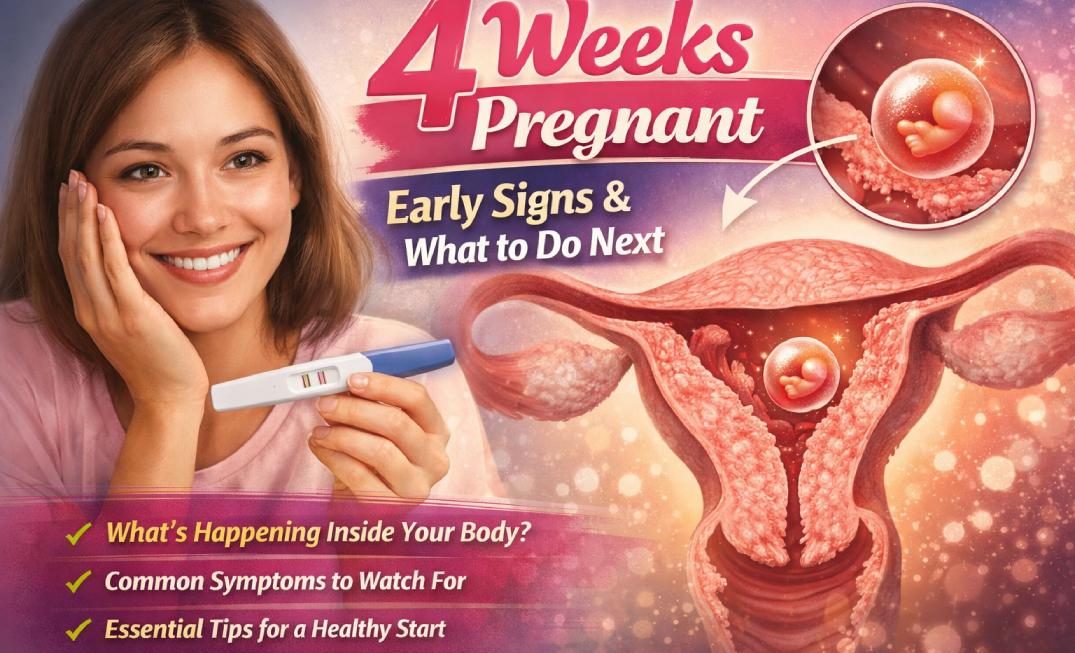
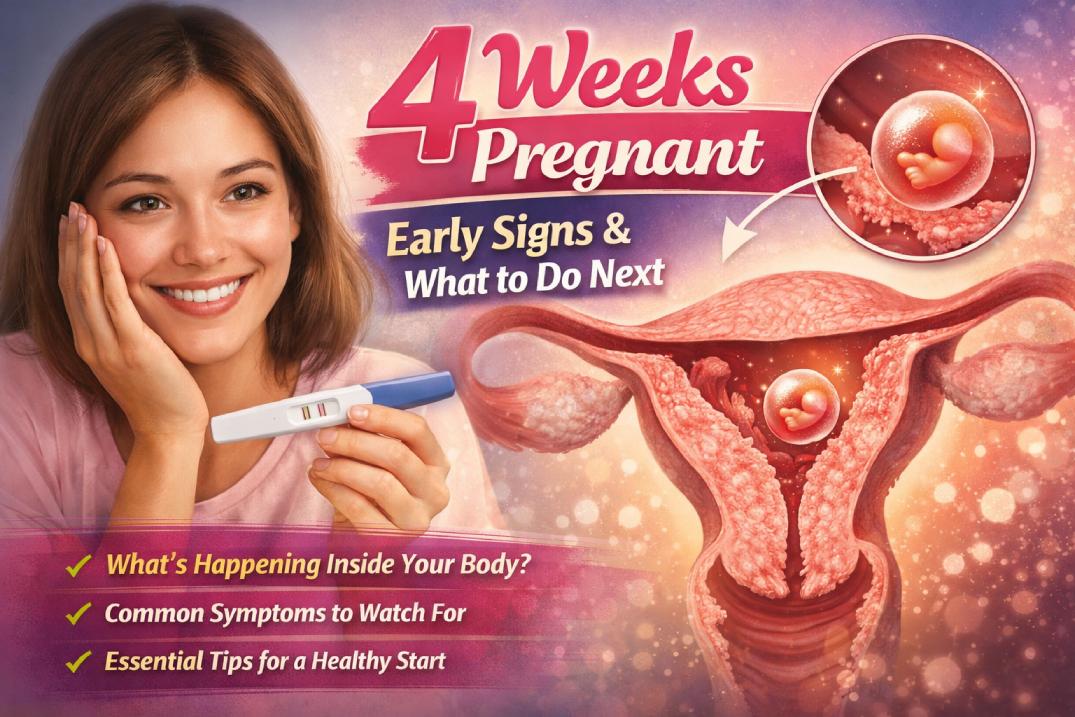
At this stage, the fertilized egg—now called a blastocyst—has implanted itself into the lining of the uterus. This implantation triggers the production of the hormone hCG (human chorionic gonadotropin), which is what pregnancy tests detect. The rising level of hCG is also responsible for many early pregnancy symptoms.
Medically speaking, this is a critical phase. Implantation is complete or nearly complete, and the foundations of pregnancy are being established. While the embryo is extremely small, the biological processes underway are significant.
What Is Happening Inside Your Body at 4 Weeks Pregnant
Even though you may not look pregnant yet, important developments are occurring internally. The embryo is about the size of a poppy seed, but rapid cell division is taking place. The basic structures that will eventually become the brain, spinal cord, and organs are beginning to form.
Your body, meanwhile, is adapting quickly. Progesterone levels increase to support the uterine lining, ensuring the embryo remains securely implanted. Blood volume starts to rise, and your metabolism may slightly increase, even if you do not notice it yet.
This is also the stage when your body becomes more sensitive. Many women report feeling “different” without being able to explain why. This sensitivity is not imagined—it reflects real hormonal shifts preparing your body to sustain pregnancy.
Common Symptoms at 4 Weeks Pregnant
Symptoms at 4 weeks pregnant vary widely. Some women feel almost nothing, while others notice changes immediately. Both experiences are completely normal.
One of the most common signs is a missed period. In addition, you may experience mild cramping or spotting, known as implantation bleeding. This can sometimes be mistaken for a light period, which is why some women do not realize they are pregnant right away.
Other possible symptoms include breast tenderness, fatigue, nausea, frequent urination, and heightened sense of smell. Emotional changes, such as mood swings or increased sensitivity, are also common due to hormonal fluctuations.
It is important to note that the absence of symptoms does not indicate a problem. Many healthy pregnancies begin with very few early signs.
Why Early Pregnancy Awareness Matters
Although 4 weeks pregnant is very early, what you do now can influence the course of your pregnancy. This is a crucial time for preventing risks and establishing healthy habits.
For example, folic acid intake is especially important during the first few weeks, as it helps prevent neural tube defects. Avoiding alcohol, smoking, and harmful medications is also essential, even if your pregnancy feels “too early” to worry about such things.
Using reliable pregnancy-related resources and products can also support early awareness. Some women choose to use early pregnancy tests or ovulation and fertility tools to better understand their cycle and confirm pregnancy accurately. Products like this early pregnancy test and fertility tracking option can be helpful when used correctly and responsibly, especially during the uncertain first weeks of pregnancy: https://amzn.to/49NSVeY
Early awareness is not about anxiety—it is about informed care.
Emotional Changes and Mental Well-Being at 4 Weeks Pregnant
Emotional responses during early pregnancy are often underestimated. At 4 weeks pregnant, it is common to feel overwhelmed, even if the pregnancy is planned and wanted. Questions about health, lifestyle, work, and the future may arise suddenly.
These feelings are valid. Hormonal changes can amplify emotions, and the realization of pregnancy itself can be life-altering. It is important to allow yourself time to process these emotions without guilt.
If anxiety becomes intense or persistent, seeking professional advice is appropriate. Emotional well-being is a key part of maternal health, starting from the very beginning.
What You Should and Should Not Do at This Stage
At 4 weeks pregnant, the focus should be on protection rather than intervention. You do not need extensive medical procedures yet, but you should begin making pregnancy-safe choices.
Do maintain a balanced diet, stay hydrated, and get enough rest. Gentle physical activity is generally safe unless advised otherwise by a healthcare provider. Begin prenatal vitamins if you have not already.
Avoid exposure to toxins, unnecessary medications, and extreme physical stress. If you have chronic medical conditions or are taking regular medications, consult a healthcare professional as early as possible.
Some women also find reassurance in confirming pregnancy with reliable testing methods. A highly sensitive pregnancy detection tool can offer peace of mind during these early days, particularly if results feel uncertain: https://amzn.to/49NSVeY
When to See a Healthcare Provider
While most women schedule their first prenatal visit around 6–8 weeks, contacting a healthcare provider at 4 weeks pregnant is still advisable, especially if you have risk factors or concerns.
Seek immediate medical attention if you experience severe abdominal pain, heavy bleeding, or dizziness. These symptoms are not common and should be evaluated promptly.
Otherwise, this stage is primarily about preparation—physically, emotionally, and mentally.
Navigating the First Steps of Pregnancy with Confidence
Being 4 weeks pregnant marks the very beginning of an extraordinary journey. Even though the changes may not yet be visible, your body is already doing remarkable work to support new life. Understanding what is happening at this stage can help reduce fear and replace it with informed confidence.
Early pregnancy is not about perfection; it is about awareness, care, and compassion toward yourself. By recognizing symptoms, making healthy choices, and seeking reliable information, you are already taking meaningful steps for both your well-being and your baby’s future.
Every pregnancy begins quietly—but with the right knowledge and support, it can grow with strength and reassurance from the very first weeks.