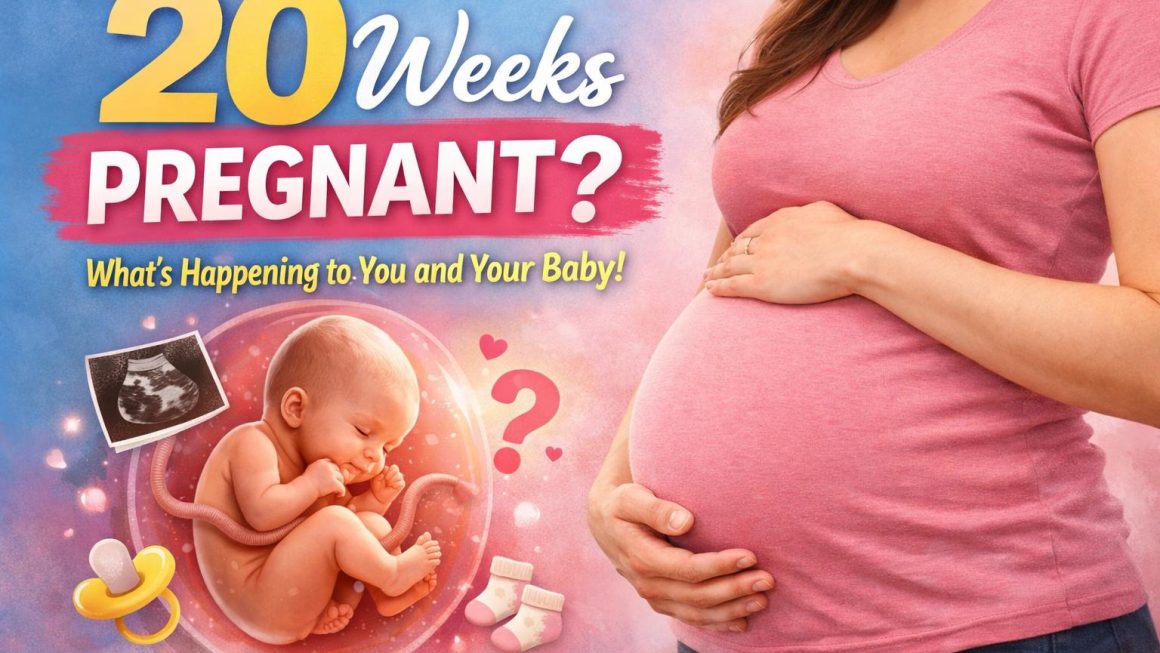
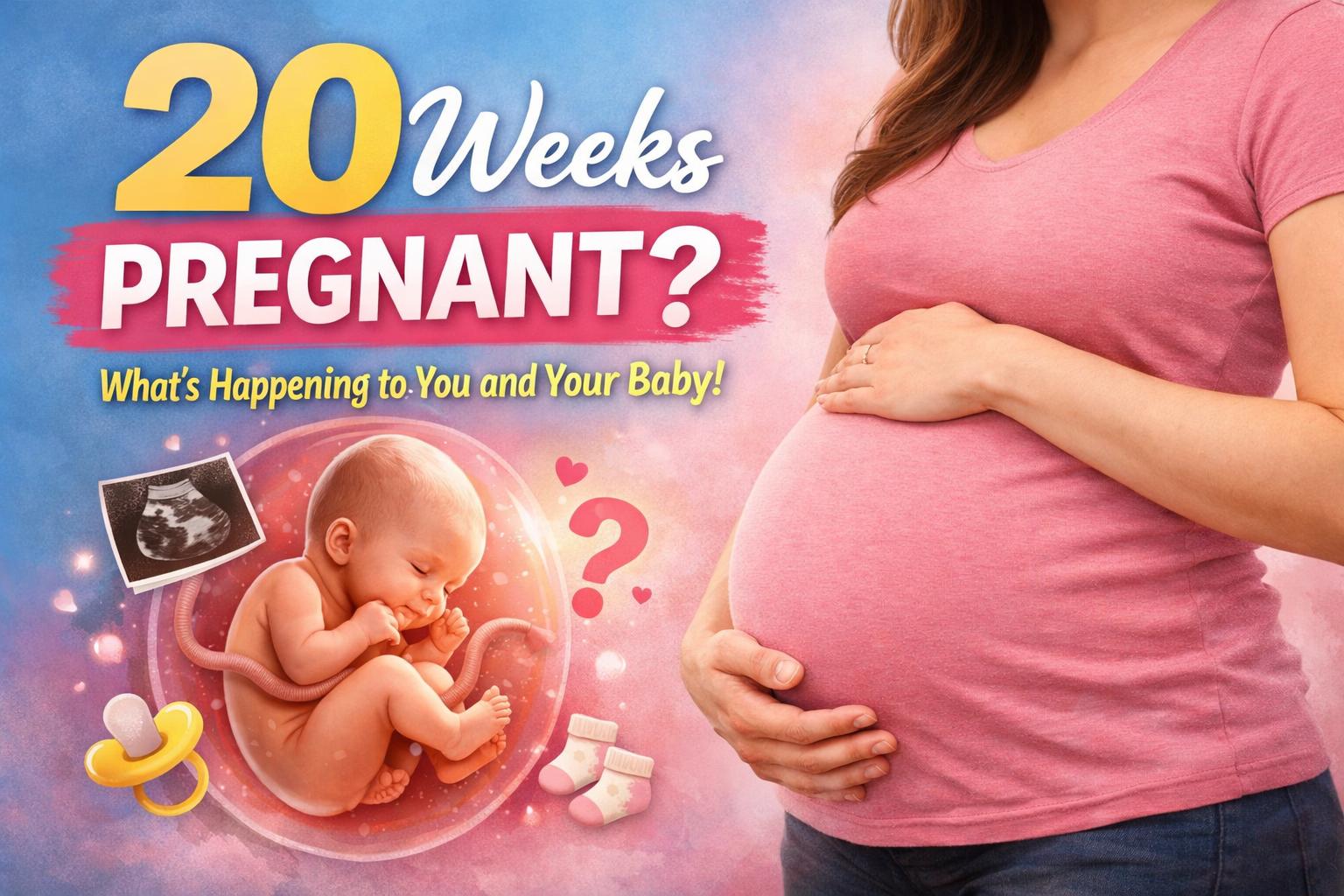
Reaching 20 weeks pregnant is a major milestone in pregnancy. Often called the halfway point, this stage marks significant physical, emotional, and developmental changes for both mother and baby. Many expectant parents feel a mix of excitement and curiosity—your baby is becoming more active, your body is visibly changing, and important medical checkups are usually scheduled around this time. Understanding what happens at 20 weeks pregnant is essential, not only to ease anxiety but also to make informed decisions that support a healthy pregnancy.
Understanding Pregnancy at 20 Weeks
At 20 weeks pregnant, you are officially in the middle of your second trimester. From a medical perspective, this phase is considered one of the most stable and comfortable periods of pregnancy for many women. Early pregnancy symptoms such as nausea and extreme fatigue often subside, while the body adapts more efficiently to hormonal changes.
Baby’s Development at 20 Weeks Pregnant
Your baby is now approximately the size of a banana, measuring about 6.5 inches from head to bottom and weighing around 10 ounces. While these numbers may vary slightly, the developmental progress at this stage is remarkable:
- The baby’s skin is forming layers, although it remains thin and translucent.
- Hair (lanugo) covers the body to help regulate temperature.
- Hearing is developing, meaning your baby may respond to sounds, including your voice.
- Movements become stronger and more coordinated, and many mothers begin to feel regular kicks.
From an authoritative medical standpoint, these developments indicate that the baby’s nervous system and muscles are working together more effectively, a key sign of healthy growth.
Mother’s Body Changes at 20 Weeks Pregnant
Physically, being 20 weeks pregnant often means your pregnancy is now noticeable. The uterus has expanded to about the level of your belly button, and weight gain becomes more apparent. Common changes include:
- A growing baby bump
- Increased appetite
- Mild back pain or leg cramps
- Changes in skin pigmentation, such as linea nigra
While these changes are normal, they also signal the importance of maintaining good posture, balanced nutrition, and adequate hydration. Argumentatively speaking, ignoring these needs may increase discomfort or minor complications later in pregnancy, making self-care at this stage not optional but necessary.
Medical Checkups and Important Considerations
One of the most significant events around 20 weeks pregnant is the mid-pregnancy anatomy scan, often called the anomaly or level II ultrasound. This examination assesses the baby’s organs, spine, limbs, and overall growth.
From a healthcare perspective, this scan is crucial because it helps identify potential concerns early, allowing timely monitoring or intervention if needed. While most results are reassuring, the real value lies in confirmation that the pregnancy is progressing as expected.
In addition, doctors often discuss lifestyle factors at this stage, including exercise, sleep positions, and stress management. Evidence consistently supports that moderate physical activity and adequate rest during mid-pregnancy contribute to better maternal and fetal outcomes.
Emotional Well-Being at 20 Weeks Pregnant
Emotionally, many women feel more confident and connected to their pregnancy at this stage. Feeling your baby move regularly strengthens the emotional bond. However, mood swings can still occur due to hormonal fluctuations.
It is important to acknowledge that emotional health is as vital as physical health. Seeking support from family, friends, or healthcare professionals is a proactive step, not a sign of weakness. In fact, research increasingly shows that maternal mental well-being positively influences pregnancy outcomes.
Conclusion
Being 20 weeks pregnant represents more than just reaching the halfway mark—it is a period of growth, awareness, and preparation. Your baby is developing rapidly, your body is adapting to support new life, and key medical evaluations help ensure everything stays on track. By understanding what this stage entails and taking an active role in your health, you are laying a strong foundation for the remainder of your pregnancy. With informed choices and proper care, the journey ahead can be both safe and fulfilling.
Frequently Asked Questions (FAQ)
1. Is it normal to feel a lot of movement at 20 weeks pregnant?
Yes. Many women start to feel regular fetal movements at 20 weeks pregnant. These movements indicate healthy muscle and nerve development.
2. What should I avoid at 20 weeks pregnant?
You should avoid smoking, alcohol, high-mercury fish, and activities with a high risk of falling. Always follow your healthcare provider’s advice for safety.
3. Can I find out my baby’s gender at 20 weeks pregnant?
In many cases, yes. The 20-week anatomy scan often allows healthcare providers to determine the baby’s sex, although this depends on the baby’s position and scan clarity.
This article is for informational purposes only and does not replace professional medical advice. Always consult your healthcare provider for personalized guidance during pregnancy.