The idea of having twins is fascinating for many couples. Two babies, growing together, sharing milestones, and doubling the joy—it’s easy to understand the appeal. As searches for “How To Get Pregnant With Twins” continue to rise, many people wonder whether conceiving twins is purely a matter of luck or if there are proven factors that can influence the odds.
While no method can guarantee a twin pregnancy, medical research shows that certain biological, genetic, and lifestyle factors can significantly increase the likelihood. This explores those factors in a clear, realistic, and evidence-based way—without myths, exaggeration, or unsafe claims—so you can make informed decisions.
Understanding How Twin Pregnancies Happen
To understand how to get pregnant with twins, it helps to know how twins form.
There are two main types of twins:
- Fraternal (dizygotic) twins, which occur when two separate eggs are released and fertilized during the same cycle.
- Identical (monozygotic) twins, which occur when one fertilized egg splits into two embryos.
Most natural twin pregnancies are fraternal twins. This is important, because most controllable factors only influence fraternal twinning, not identical twins, which happen randomly and cannot be planned.
Key Factors That May Increase Your Chances of Twins
1. Family History and Genetics
One of the strongest predictors of twin pregnancy is genetics—specifically on the mother’s side. Women who inherit the tendency to release more than one egg per cycle (a condition called hyperovulation) have a higher chance of conceiving fraternal twins.
If your mother, grandmother, or sisters had fraternal twins, your odds may be naturally higher. Genetics alone doesn’t guarantee twins, but it plays a meaningful role.
2. Maternal Age and Hormonal Changes
Women over the age of 30, especially those between 35 and 40, are statistically more likely to conceive twins. This is due to hormonal fluctuations—particularly higher levels of follicle-stimulating hormone (FSH)—which can trigger the release of multiple eggs during ovulation.
Ironically, while fertility may decline with age, the chance of multiple ovulation can increase during this stage.
3. Nutrition and Diet Quality
Several studies suggest a link between nutrition and twin conception. Women with higher caloric intake and adequate levels of certain nutrients—such as folic acid, calcium, and magnesium—have shown increased rates of twin pregnancies.
In particular:
- Folic acid supports egg quality and ovulation.
- Dairy consumption, especially whole milk, has been associated with higher twinning rates, possibly due to growth factors.
A balanced, nutrient-rich diet supports hormonal health and may improve ovulatory patterns.
4. Body Type and Overall Health
Research has shown that women with a slightly higher BMI (within a healthy range) may have increased chances of fraternal twins. This is believed to be related to higher estrogen levels, which can stimulate the ovaries to release more than one egg.
However, this does not mean weight gain should be forced. Maintaining a healthy body composition is key—extremes in either direction can negatively affect fertility.
5. Previous Pregnancies
Women who have been pregnant before, especially multiple times, statistically have higher chances of conceiving twins. Repeated pregnancies may enhance ovarian responsiveness over time.
This factor alone is not decisive, but when combined with age, genetics, and nutrition, it can contribute to increased odds.
6. Fertility Treatments (Medical Context)
It’s important to mention—without promoting or exaggerating—that fertility treatments such as ovulation induction and IVF significantly increase twin pregnancy rates. However, these methods are medical decisions, used for infertility treatment, not casual twin planning.
For AdSense-safe and ethical content, it’s essential to clarify that fertility treatments should only be pursued under medical guidance for valid clinical reasons.
What Does Not Work (Common Myths)
Many online sources promote unverified tricks, such as timing intercourse in a certain way or using herbal supplements without scientific backing. There is no reliable evidence that these methods increase twin conception and some may even be unsafe.
A credible approach focuses on biology, health, and evidence—not shortcuts.
Is It Safe to Try for Twins?
Twin pregnancies are considered higher-risk than singleton pregnancies. They require closer monitoring due to increased chances of:
- Preterm birth
- Gestational diabetes
- High blood pressure
Anyone hoping to conceive twins should prioritize maternal health and consult a healthcare provider before making fertility-related changes.
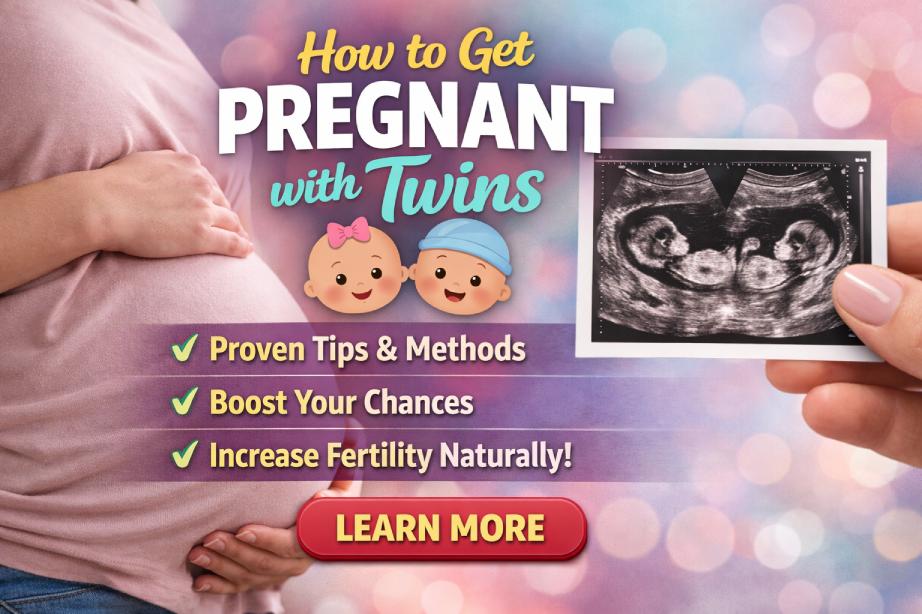
So, how to get pregnant with twins comes down to understanding probabilities—not promises. Genetics, age, nutrition, reproductive history, and overall health can influence the chances, especially for fraternal twins. However, no natural method guarantees a twin pregnancy.
The most responsible approach is to focus on optimizing fertility and health. If twins happen, they are a biological outcome—not a failure or success of planning. In the end, a healthy pregnancy matters far more than the number of babies.
Frequently Asked Questions (FAQ)
1. Can you naturally plan a twin pregnancy without medical treatment?
Yes, it is possible, but only to a limited extent. Natural factors such as genetics, maternal age, diet, and overall health can influence the likelihood of releasing more than one egg during ovulation. However, these factors only increase probability—not certainty. Identical twins cannot be planned at all, as their formation is random. Any natural approach should focus on fertility optimization rather than guaranteed outcomes.
2. Does taking folic acid increase the chance of twins?
Some studies suggest that women who take folic acid supplements before conception may have slightly higher rates of twin pregnancies, particularly fraternal twins. However, folic acid is primarily recommended to prevent neural tube defects, not to induce twins. While it supports healthy ovulation and egg development, it should be taken for overall pregnancy health—not specifically to conceive twins.
3. Are twin pregnancies riskier than single pregnancies?
Yes, twin pregnancies carry higher medical risks compared to singleton pregnancies. These include preterm birth, low birth weight, gestational hypertension, and increased need for medical monitoring. That’s why healthcare providers emphasize prenatal care and caution against intentionally pursuing twins without medical necessity. A healthy mother and baby outcome should always be the top priority.