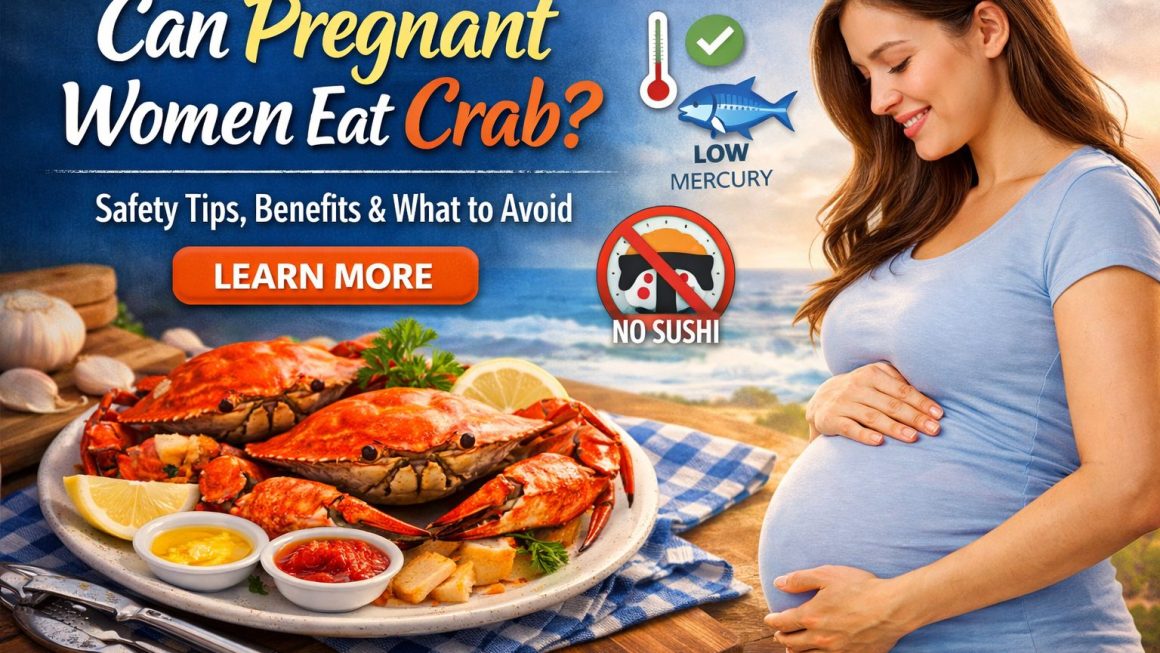
The question “Can Pregnant Women Eat Crab?” frequently arises because pregnancy requires careful food choices to protect both mother and baby. Crab is widely enjoyed for its delicate flavor and impressive nutritional profile, yet concerns about food safety, mercury exposure, and preparation methods often create uncertainty. From a medical and nutritional standpoint, the answer is not a simple yes or no. Instead, it depends on how the crab is sourced, prepared, and consumed.
The Nutritional Value of Crab During Pregnancy
Crab is a lean source of high-quality protein, which is essential for fetal growth and tissue development. It is also rich in vitamin B12, zinc, copper, and selenium—micronutrients that support the nervous system, immune function, and red blood cell formation. Additionally, crab contains omega-3 fatty acids, which play a role in fetal brain and eye development. From a nutritional perspective, these benefits make crab a potentially valuable addition to a pregnancy diet when consumed appropriately.
Safety Considerations: When Crab Is Safe to Eat
Pregnant women can safely eat crab if it is fully cooked and properly handled. Cooking crab thoroughly eliminates harmful bacteria such as Listeria and Salmonella, which pose serious risks during pregnancy. Steamed, boiled, or baked crab that reaches a safe internal temperature is generally considered safe.
Another advantage of crab compared to certain large predatory fish is its low mercury content. Mercury exposure can affect fetal neurological development, but crab typically contains much lower levels than species such as shark or swordfish. When eaten in moderation—about one to two servings per week—crab fits well within recommended seafood guidelines for pregnancy.
When Crab Should Be Avoided
Despite its benefits, crab can be unsafe in certain forms. Raw or undercooked crab, including sushi-style preparations, should be strictly avoided due to the risk of bacterial contamination. Smoked or refrigerated crab meat that is not reheated until steaming hot may also pose a risk of Listeria infection.
Imitation crab meat, often used in salads and rolls, deserves special attention. While it is usually pre-cooked, it may contain additives, excess sodium, and lower nutritional value. Pregnant women should read labels carefully and limit consumption if sodium intake is a concern.
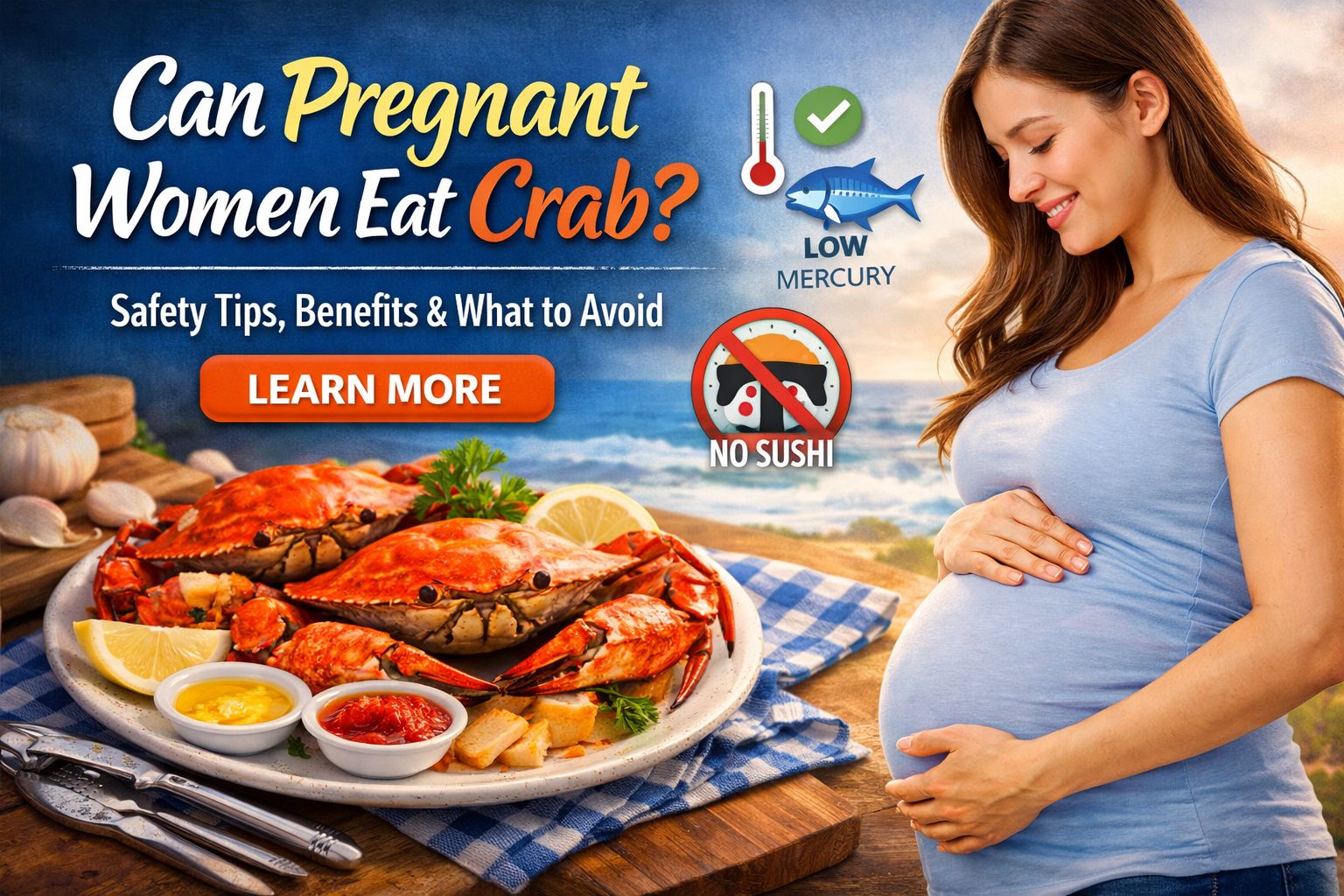
So, can pregnant women eat crab? The answer is yes—when it is fully cooked, fresh, and consumed in moderation. Crab offers meaningful nutritional benefits that support a healthy pregnancy, but safety must always take priority. By avoiding raw products and choosing high-quality, well-prepared crab, expectant mothers can enjoy this seafood with confidence.
For those planning to include crab dishes at home, investing in reliable kitchen tools and high-quality seafood products can make a real difference. Choosing trusted cooking accessories and properly prepared crab meat ensures safety, convenience, and peace of mind—making it a smart addition to your pregnancy-friendly kitchen.