Why Being 15 Weeks Pregnant Truly Matters
Reaching 15 weeks pregnant marks a defining phase in pregnancy. This is not a passive checkpoint; it is an active biological turning point where the body stabilizes, the fetus accelerates development, and pregnancy begins to feel real rather than theoretical. At 15 weeks pregnant, many of the early uncertainties fade, while tangible signs of growth and adaptation take center stage. Hormonal turbulence begins to level out, energy often returns, and daily life becomes more manageable. Yet, this stage also demands awareness, informed choices, and deliberate care.
From a medical standpoint, 15 weeks pregnant sits firmly in the second trimester, often described as the safest and most comfortable period of pregnancy. However, comfort should never be mistaken for complacency. This is the time when fetal organs mature rapidly, neural connections expand, and musculoskeletal structures strengthen. Meanwhile, the pregnant body undergoes visible and invisible shifts—blood volume increases, ligaments loosen, digestion adapts, and metabolism recalibrates.
Emotionally, 15 weeks pregnant introduces a complex blend of confidence and vigilance. Expectant parents often feel reassured by reduced nausea and miscarriage risk, yet increasingly aware of responsibility. Planning intensifies. Nutrition choices carry more weight. Prenatal appointments feel more consequential. Questions about fetal movement, anatomy scans, and long-term health emerge with urgency.
Understanding what happens at 15 weeks pregnant is not optional—it is essential. Knowledge equips pregnant individuals to recognize normal changes, detect warning signs early, and support optimal fetal development. This stage rewards preparation and punishes neglect. The following sections break down fetal growth, maternal changes, health priorities, and lifestyle strategies with clarity and precision, ensuring that 15 weeks pregnant is navigated with confidence, accuracy, and intent.
Fetal Development at 15 Weeks Pregnant: Rapid Growth with Purpose
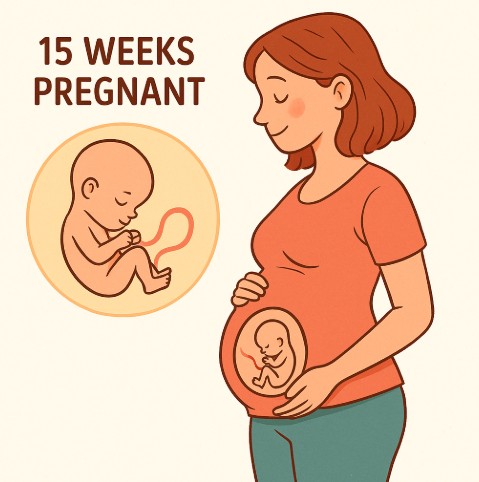
At 15 weeks pregnant, the fetus measures approximately 4 inches (10–11 cm) from crown to rump and weighs around 70 grams. This growth is not random. Every system develops with coordination and increasing sophistication.
Organ Maturation and Structural Progress
By 15 weeks pregnant, major organs have formed and now focus on function. The kidneys actively produce urine, contributing to amniotic fluid balance. The liver starts producing bile, while the pancreas begins insulin secretion. These processes are foundational for survival outside the womb later in pregnancy.
The skeletal system hardens as cartilage converts into bone. Limb movement becomes more coordinated, though still imperceptible for most parents at 15 weeks pregnant. Facial muscles develop, allowing subtle expressions such as squinting and frowning. The ears shift closer to their final position, improving auditory structure.
Neurological and Sensory Development
Brain development accelerates dramatically at 15 weeks pregnant. Neurons multiply, and nerve pathways expand. The fetus responds to light, sound vibrations, and pressure. Taste buds form, influenced by flavors present in amniotic fluid. These neurological milestones reinforce the importance of nutrition and environmental awareness during 15 weeks pregnant.
Body Changes at 15 Weeks Pregnant: Stability Replaces Turbulence
For many, 15 weeks pregnant brings physical relief. Morning sickness often subsides, appetite improves, and energy levels rebound. Still, changes continue—just in quieter, more strategic ways.
Visible and Internal Physical Shifts
The uterus expands upward, moving out of the pelvis. A small but noticeable baby bump often appears at 15 weeks pregnant, particularly in second pregnancies. Increased blood volume enhances circulation but may cause nasal congestion, mild headaches, or dizziness.
Breasts continue enlarging as milk ducts develop. Skin changes emerge—darkening of the areolas, linea nigra formation, and increased pigmentation. These changes at 15 weeks pregnant reflect hormonal adaptation, not cosmetic concern.
Digestive and Musculoskeletal Adjustments
Progesterone slows digestion, making bloating and constipation common at 15 weeks pregnant. Meanwhile, ligaments soften to accommodate uterine growth, increasing susceptibility to back pain and joint discomfort. Posture awareness becomes critical at this stage.
Common Symptoms at 15 Weeks Pregnant: What’s Normal and What’s Not
Symptoms at 15 weeks pregnant vary widely, yet certain patterns remain consistent.
Typical Experiences at 15 Weeks Pregnant
- Increased energy and reduced nausea
- Mild abdominal stretching or pulling sensations
- Nasal congestion and nosebleeds
- Heightened sense of smell
- Increased vaginal discharge
These symptoms at 15 weeks pregnant are generally benign and signal physiological adaptation.
Warning Signs That Demand Attention
While 15 weeks pregnant is considered low-risk, certain symptoms require immediate evaluation:
- Vaginal bleeding
- Severe abdominal pain
- Persistent fever
- Painful urination
- Sudden swelling of hands or face
Ignoring these signs undermines maternal and fetal safety during 15 weeks pregnant.
Nutrition at 15 Weeks Pregnant: Fueling Growth with Precision
Nutrition during 15 weeks pregnant directly influences fetal development and maternal resilience. Caloric needs increase modestly, but nutrient density matters more than quantity.
Essential Nutrients at 15 Weeks Pregnant
- Protein: Supports tissue growth and placental function
- Iron: Prevents anemia as blood volume expands
- Calcium and Vitamin D: Strengthen developing bones
- Folate: Continues supporting neural development
- Omega-3 fatty acids: Enhance brain and eye formation
Balanced meals during 15 weeks pregnant stabilize energy, regulate digestion, and reduce complications.
Foods to Prioritize and Avoid
Lean proteins, whole grains, fruits, vegetables, and healthy fats form the foundation of nutrition at 15 weeks pregnant. Avoid raw seafood, unpasteurized dairy, processed meats, and excessive caffeine. These restrictions are not arbitrary; they protect fetal neurological and immune development.
Exercise and Physical Activity at 15 Weeks Pregnant
Contrary to outdated myths, physical activity at 15 weeks pregnant is beneficial, not dangerous—when done correctly.
Safe Exercise Options
- Walking and light jogging
- Prenatal yoga
- Swimming
- Low-impact strength training
Exercise during 15 weeks pregnant improves circulation, posture, sleep quality, and mood.
Activity Precautions
Avoid high-impact sports, heavy lifting, and activities with fall risk. Hydration and body awareness are non-negotiable during 15 weeks pregnant.
Medical Care and Prenatal Checkups at 15 Weeks Pregnant
Prenatal care intensifies at 15 weeks pregnant. Routine appointments assess blood pressure, weight, fetal heartbeat, and uterine growth.
Screenings and Tests
Second-trimester screening options may be discussed at 15 weeks pregnant, including genetic tests and alpha-fetoprotein (AFP) screening. These assessments provide critical insights into fetal health and guide future care decisions.
Emotional Health at 15 Weeks Pregnant: Confidence with Caution
Emotionally, 15 weeks pregnant often feels calmer. Hormonal balance improves mood stability, yet anxiety may shift toward future planning and fetal well-being.
Acknowledging emotional fluctuations at 15 weeks pregnant strengthens mental health. Open communication, realistic expectations, and stress management techniques are essential tools.
Preparing for What Comes Next After 15 Weeks Pregnant
This stage is ideal for preparation. Planning anatomy scans, adjusting work routines, and refining lifestyle habits create a stable foundation. 15 weeks pregnant is not early anymore—it is strategic middle ground.
Why 15 Weeks Pregnant Is a Turning Point Worth Respecting
Being 15 weeks pregnant is not merely about feeling better; it is about functioning better. This stage reflects biological efficiency, developmental acceleration, and emotional recalibration. Fetal systems refine themselves daily, while the maternal body proves its adaptability. Comfort increases, but responsibility deepens.
Those who approach 15 weeks pregnant with knowledge, intention, and discipline position themselves for a healthier pregnancy overall. Ignoring this phase risks missed opportunities for prevention and optimization. Understanding, respecting, and responding to the realities of 15 weeks pregnant ensures that progress continues—not by chance, but by informed choice.
Explore trusted medical journals, prenatal health organizations, and evidence-based pregnancy resources to deepen your understanding of pregnancy at 15 weeks.