Pregnancy often brings surprises, but few are as alarming as spotting blood when a period is no longer expected. Many women immediately wonder whether they are experiencing a miscarriage, a normal pregnancy symptom, or even a regular menstrual cycle. The confusion is understandable because bleeding during pregnancy can range from completely harmless to medically significant.
The truth is simple: a true menstrual period does not occur during pregnancy. Once conception happens, hormonal changes prevent the normal shedding of the uterine lining that creates a monthly period. However, various forms of bleeding can still appear, especially during the first trimester, leading many women to believe they are having a period while pregnant.
Understanding the difference between menstrual bleeding and pregnancy-related bleeding helps reduce unnecessary anxiety while ensuring important warning signs receive proper attention.
Can You Have a Period While Pregnant?
The short answer is no. A genuine menstrual period cannot happen during a healthy pregnancy because ovulation and the menstrual cycle stop once fertilization and implantation occur.
What many people call a “period while pregnant” is usually another type of bleeding. Implantation bleeding is one of the most common examples. It can occur when the fertilized egg attaches to the uterine lining, typically around the time a woman would expect her next period. Because it often appears as light pink or brown spotting, it can easily be mistaken for a very light menstrual cycle.
Hormonal fluctuations can also trigger light bleeding in early pregnancy. Some women notice spotting around the date their period would normally arrive, creating the impression that menstruation is continuing despite pregnancy.
Pregnancy symptoms can vary significantly from one person to another. Women trying to understand early changes in their bodies may find it helpful to read about what happens during the second month of pregnancy, when hormonal shifts become increasingly noticeable.
Causes of Bleeding Mistaken for a Period While Pregnant
Several pregnancy-related conditions can produce bleeding that resembles a period. The amount, color, duration, and accompanying symptoms often provide clues about the underlying cause.
Implantation bleeding remains one of the most common explanations. It usually appears as light spotting that lasts a few hours or a couple of days. Unlike a menstrual period, the flow generally stays light and does not become progressively heavier.
Changes in the cervix can also lead to bleeding. During pregnancy, the cervix receives increased blood flow and becomes more sensitive. Sexual intercourse, pelvic examinations, or minor irritation may cause light spotting afterward. Couples often have questions about intimacy during pregnancy, and understanding safe sex positions while pregnant can help maintain comfort while reducing unnecessary concern.
Subchorionic hematoma is another possible cause. This condition involves a small collection of blood between the uterine wall and the gestational sac. While many cases resolve without complications, medical evaluation is important to determine appropriate monitoring.
Unfortunately, bleeding can sometimes signal pregnancy complications, including miscarriage, ectopic pregnancy, or placental abnormalities. These situations typically involve additional symptoms such as severe abdominal pain, cramping, dizziness, or unusually heavy bleeding.
Physical changes become more apparent as pregnancy progresses. Monitoring a growing pregnant belly and understanding normal body changes can help women recognize which developments are expected and which require professional assessment.
When Bleeding During Pregnancy Requires Immediate Medical Attention
Not every episode of spotting represents an emergency, but some symptoms should never be ignored. Heavy bleeding that resembles or exceeds a menstrual period deserves prompt evaluation, particularly when accompanied by pain.
Severe cramping, intense pelvic discomfort, shoulder pain, fainting, or dizziness may indicate serious complications. These symptoms require immediate medical assessment because conditions such as ectopic pregnancy can become life-threatening if left untreated.
Bleeding during the second or third trimester also warrants closer attention. Placenta previa, placental abruption, cervical changes, and preterm labor can all cause bleeding later in pregnancy. Early diagnosis significantly improves management options and maternal outcomes.
Accurate pregnancy dating can provide valuable context when evaluating symptoms. Women uncertain about gestational age may benefit from learning how pregnancy weeks are calculated, particularly when discussing symptoms with healthcare providers.
As pregnancy advances, developmental milestones become increasingly important. Understanding what typically occurs at 17 weeks pregnant can provide reassurance while helping identify changes that deserve professional evaluation.
Maintaining regular prenatal care remains the most effective strategy for protecting maternal and fetal health. Healthcare professionals can assess bleeding patterns, perform appropriate examinations, and recommend individualized management plans based on gestational age and medical history.
For women seeking additional pregnancy support and everyday essentials, many find value in using a reliable pregnancy wellness and maternity resource designed to support comfort throughout different stages of pregnancy.
FAQ Period While Pregnant
1. Can implantation bleeding look exactly like a period?
Implantation bleeding can sometimes resemble a very light menstrual period, particularly if it occurs near the expected start date of a cycle. However, it is usually lighter in flow, shorter in duration, and often appears pink or brown rather than bright red. Unlike a typical period, implantation bleeding generally does not become progressively heavier over several days. Because symptoms vary among individuals, a pregnancy test and professional medical evaluation remain the most reliable ways to determine the cause of unexpected bleeding.
2. Is spotting during early pregnancy always a sign of miscarriage?
No, spotting during early pregnancy is relatively common and does not automatically indicate pregnancy loss. Many women experience light bleeding due to implantation, cervical sensitivity, hormonal changes, or other benign causes. However, bleeding accompanied by severe cramping, heavy flow, tissue passage, dizziness, or intense abdominal pain requires immediate medical attention. Healthcare providers can use examinations, ultrasound imaging, and laboratory testing to identify the underlying cause and determine whether the pregnancy is progressing normally.
3. How much bleeding is considered normal during pregnancy?
There is no universal amount of bleeding that can be considered completely normal during pregnancy because every situation is unique. Light spotting without pain is often less concerning, especially during the first trimester. Nevertheless, any bleeding should be reported to a healthcare provider for appropriate guidance. Heavy bleeding, bright red flow, persistent bleeding, clot passage, or symptoms such as pelvic pain and weakness require prompt medical assessment to rule out complications and ensure maternal and fetal well-being.
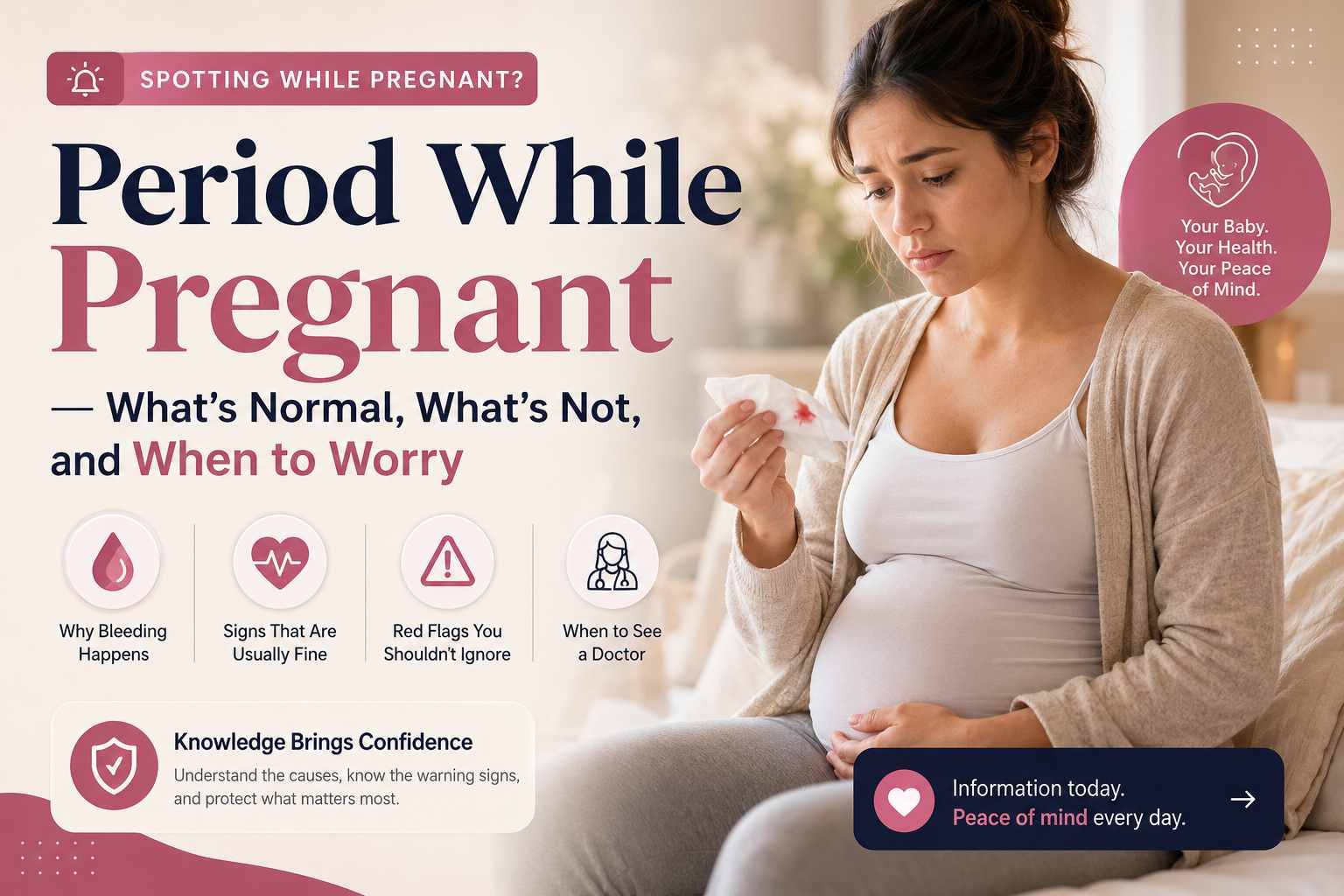
A true menstrual period does not occur during pregnancy, yet bleeding can still happen for many reasons. Implantation bleeding, cervical changes, and hormonal adjustments frequently explain light spotting, particularly during the first trimester. At the same time, heavier bleeding or symptoms accompanied by pain may signal conditions that require urgent medical attention.
Recognizing the difference between normal pregnancy-related spotting and potentially serious complications allows women to respond appropriately. Regular prenatal care, awareness of bodily changes, and timely communication with healthcare providers remain the foundation of a healthy and well-monitored pregnancy journey.